How Sierra Leoneans Can Stay Safe During the 2026 El Niño

The ongoing El Niño is expected to remain strong into early 2027, increasing the possibility of extreme heat and changes in rainfall patterns worldwide. However, its effects will differ between countries, and there is no confirmed forecast that Sierra Leone will experience a particular level of drought, flooding or heat-related deaths.
For Sierra Leoneans, the most practical approach is to prepare for extreme heat, possible water shortages, heavy rainfall and disruptions to food supplies while following local weather forecasts.
Here are 8 Ways to Protect Yourself and Your Family
1. Drink Enough Safe Water
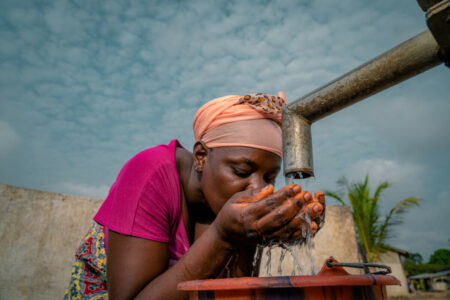
Woman drinking water from the tap (Trocaire)
Drink water regularly throughout the day, especially when working outdoors. Carry drinking water when travelling, avoid unnecessary exposure to the midday sun and wear light, loose-fitting clothes. People with medical restrictions on fluid intake should follow their clinician’s advice.
2. Reduce Exposure to Extreme Heat
Farmers, market traders, construction workers, okada riders and other outdoor workers should take regular breaks in shaded places. Where possible, move strenuous activities to cooler morning or evening hours.
3. Keep Your Home Cool
Block direct sunlight with curtains or shades during the hottest hours. Open windows when the outdoor air is cooler, if it is safe to do so. Use cool baths or damp cloths to lower body temperature. Never leave children in parked vehicles.
4. Protect Your Drinking Water
Store water in clean, covered containers. If water safety is uncertain, boil or treat it using approved methods. Keep stored water away from floodwater, sewage and other sources of contamination.
5. Prepare for Heavy Rainfall and Flooding
Clear household drainage channels where it is safe, keep important documents in waterproof bags and identify safer places to go during flooding. Avoid crossing flooded roads, bridges and streams. People living on unstable hillsides should pay particular attention to landslide warnings.
6. Prepare for Possible Food and Farming Disruptions
Farmers should follow agricultural weather advisories before planting and plan for changes in rainfall. Households can maintain a modest reserve of affordable, non-perishable foods where finances permit. Avoid panic buying.
7. Prevent Mosquito-Borne and Waterborne Diseases
Sleep under insecticide-treated mosquito nets, empty standing water around the house and keep water containers covered. Seek medical care promptly for fever, persistent diarrhoea or signs of dehydration.
8. Look after Vulnerable People
Children, older adults, pregnant women and people with chronic illnesses can face greater risks during extreme heat. Check on relatives and neighbours who live alone, especially when temperatures are unusually high.
These precautions are consistent with WHO guidance on heat-related illness and the health risks associated with El Niño.
Know the Warning Signs of a Heat Stroke
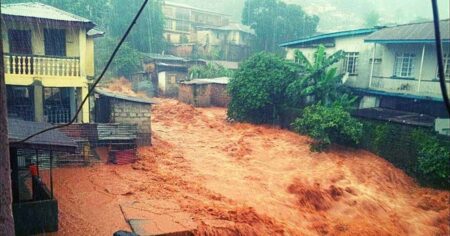
Flooding in some parts of Freetown
Heatstroke is a life-threatening medical emergency that occurs when core body temperature rises above 104°F (40°C) and the body’s internal cooling system fails.
Watch for confusion, fainting, seizures, unusually high body temperature or difficulty remaining conscious.
Move the person to a cooler place, begin cooling them with water and wet cloths, and seek emergency medical help immediately. Do not give drinks to someone who is unconscious or unable to swallow safely.
Heavy sweating, dizziness, headache, nausea and weakness may indicate heat exhaustion. Stop activity, move somewhere cool and seek medical attention if symptoms persist or worsen.
Where Sierra Leoneans Should Get Reliable Weather Updates
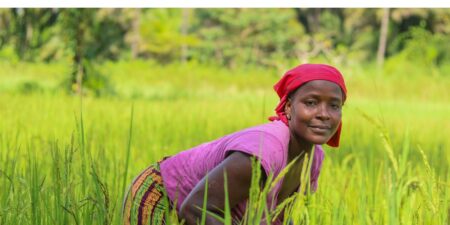
Woman working in her farm (Trocaire)
The Sierra Leone Meteorological Agency provides national weather and seasonal climate information. Residents should also follow announcements from the National Disaster Management Agency and public health authorities.
In October 2026, the Meteorological Agency advanced a new strategy to improve weather forecasting and early-warning services across Sierra Leone.
Freetown City Council has also begun training frontline health workers to recognise and manage heat-related illnesses, reflecting growing concern about extreme heat in the city.





-
How Sierra Leoneans Can Stay Safe During the 2026 El Niño
The ongoing El Niño is expected to remain strong into early 2027, ... -
-
-