
El Niño Could Claim 451,000 Lives Worldwide: What This Means for Sierra Leone
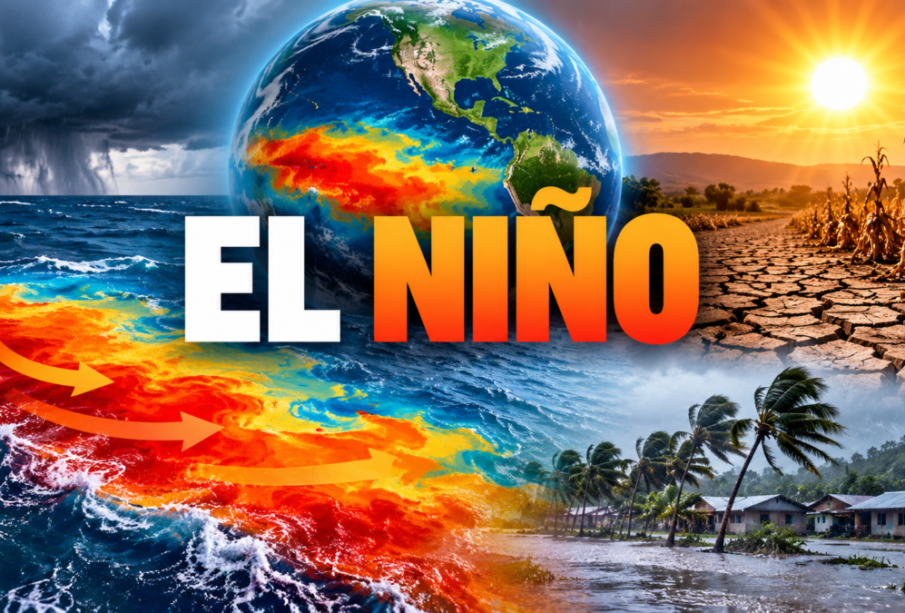

An unusually powerful El Niño weather event could cause an estimated 451,000 additional heat-related deaths worldwide by February 2027, raising concerns about its potential impact on West Africa, including Sierra Leone.
The projection comes from the Climate Impact Lab, a research collaboration involving the University of Chicago and other institutions. Its September 2026 report warns that extreme temperatures could place millions of people at greater risk, particularly in developing countries.
Nigeria is among the countries facing the greatest danger, with researchers projecting 31,400 additional heat-related deaths between September 2026 and February 2027.
Although Sierra Leone has not been assigned a comparable death toll in the report, the warning raises questions about how the country could be affected by changing rainfall patterns, rising temperatures and disruptions to food production.
What Is El Niño and When Was It First Recorded?
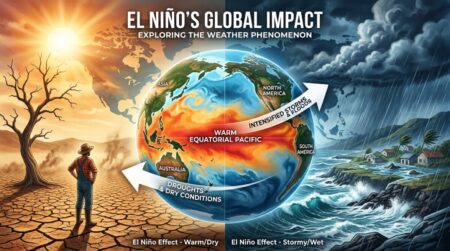
El Niño is a naturally occurring climate phenomenon caused by unusually warm surface waters in the central and eastern Pacific Ocean.
This warming changes atmospheric circulation and can disrupt weather patterns thousands of kilometres away, causing droughts in some countries, heavy rainfall in others and unusually high temperatures across large regions.
According to the United States National Oceanic and Atmospheric Administration (NOAA), El Niño typically occurs every two to seven years and usually lasts between nine and twelve months.
Its history stretches back centuries.
Peruvian fishermen noticed unusual warming of Pacific waters as early as the 1600s, although historical accounts of related weather disturbances date back to the 1500s.
The fishermen named the phenomenon El Niño, meaning Little Boy in Spanish, because the warming often occurred around Christmas.
Some of the earliest scientific descriptions emerged during the 1890s, when researchers began documenting its relationship with changing ocean temperatures and weather conditions.
Nigeria Faces 31,400 Projected Heat-Related Deaths
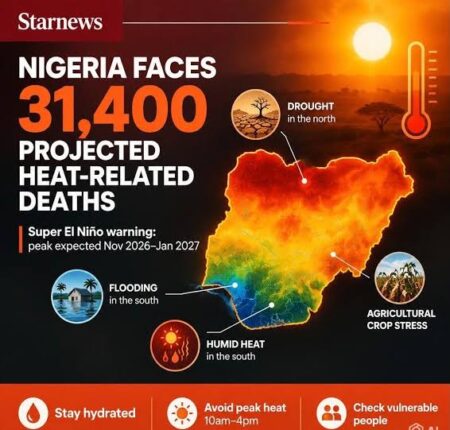
Nigeria has emerged as one of the countries of greatest concern in the latest research.
The Climate Impact Lab estimates that the country could experience 31,400 additional heat-related deaths between September 2026 and February 2027.
Across the wider Sahel region, researchers project 66,800 additional deaths during the same period.
The figures have attracted attention in Nigeria, where prolonged heat could threaten outdoor workers, older people, children and communities with limited access to reliable electricity, clean water and healthcare.
Nigeria’s Meteorological Agency (NiMet) also confirmed the development of a strong El Niño event in its August 2026 seasonal climate update.
The agency forecast varying rainfall and temperature conditions across different parts of the country, demonstrating that El Niño does not necessarily produce identical weather conditions nationwide.
Importantly, the 31,400-death projection is a scientific estimate of potential excess mortality, not an official Nigerian death count.
How El Niño Could Affect West Africa
The World Meteorological Organization (WMO) warned on October 26, 2026 that the current El Niño could become unprecedented in strength.
Its latest outlook suggests that temperatures in the tropical Pacific could reach approximately 3.8 degrees Celsius above average between November 2026 and January 2027.
Such conditions could increase the likelihood of severe heat, droughts and flooding in different parts of the world.
For West Africa, the consequences could extend beyond the immediate effects of extreme weather.
Agriculture is particularly vulnerable because many farmers depend on seasonal rainfall.
Changes in the timing or distribution of rain can affect planting, crop development and harvests.
Prolonged dry spells could reduce agricultural yields, while intense rainfall could destroy crops, damage roads and disrupt local markets.
The Famine Early Warning Systems Network (FEWS NET) has already identified rainfall deficits in parts of the Sahel during 2026. It warns that food insecurity could worsen during 2027, particularly in areas where poor harvests combine with existing economic pressures.
However, forecasts for West Africa are not uniform. Different climate models indicate different rainfall outcomes, and conditions in the Sahel cannot automatically be applied to coastal countries.
What Could This Mean for Sierra Leone?
Although Sierra Leone is geographically distant from the Pacific Ocean, El Niño can influence global atmospheric conditions that affect weather across Africa.
For Sierra Leone, the main concerns include potential changes in rainfall, agricultural production, food prices and public health.
The country relies heavily on rain-fed agriculture, meaning irregular rainfall could affect the cultivation of rice and other food crops.
If rainfall becomes less predictable, farmers may face difficulties deciding when to plant. Extended dry periods could reduce yields, while unusually heavy rainfall could damage farmland and infrastructure.
Sierra Leone may experience relatively favourable growing conditions. However, agricultural losses elsewhere could disrupt international food markets and increase the cost of imported commodities.
FEWS NET has identified international trade and imports as possible channels through which El Niño could affect food security in West Africa.
Higher temperatures can increase heat-related illnesses, particularly among people who work outdoors for extended periods.
Children, older people and those with existing health conditions may face greater risks during prolonged periods of extreme heat.
However, there is currently insufficient evidence to predict the full impact of the ongoing El Niño on Sierra Leone. The extent of drought, flooding and heat-related deaths remains uncertain.
However, there is currently insufficient evidence to predict the full impact of the ongoing El Niño on Sierra Leone. The extent of drought, flooding and heat-related deaths remains uncertain.







-
Idris Elba Opens $1m AI Filmmaking Programme Across Five African Countries
As chair of The Akuna Group, British actor Idris Elba is backing ... -
-
-