ECOWAS Allocates $1.2 Million to 12 Countries for Development in Border Communities

The Economic Community of West African States (ECOWAS) has allocated $1.2 million to strengthen cooperation and development across border communities in West Africa.
The funding will support projects in 12 member states, with each country receiving $100,000 to address shared challenges and improve livelihoods. The initiative seeks to strengthen social cohesion, regional integration and sustainable development through cooperation among neighbouring countries.
The grants form part of the ECOWAS Regional Cross-Border Cooperation Support Programme (ECBCSP), which runs from 2023 to 2027. It aims to encourage joint planning, strengthen local institutions and create development opportunities for communities along national borders.
Sierra Leone Among the Countries for the Grant
Sierra Leone is among 12 ECOWAS member states selected under the programme’s first phase. Other beneficiaries include Benin, Cabo Verde, Côte d’Ivoire, The Gambia, Ghana and Guinea-Bissau, Liberia, Niger, Nigeria, Senegal and Togo also received grants of $100,000 each. The funding will support cross-border projects designed to address local development priorities and encourage cooperation between neighbouring communities.
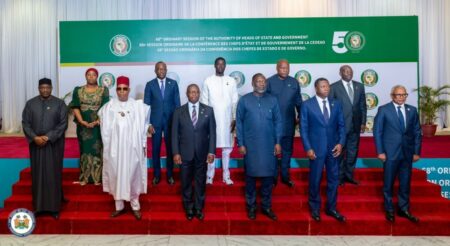
Heads of state group photo during an Ecowas summit
Beyond the financial allocations, ECOWAS will provide technical assistance, capacity-building, training and public information. These interventions aim to help national institutions and local actors develop projects that respond to challenges affecting communities on both sides of national borders.
Guinea Launches National Platform
The ECOWAS Commission launched Guinea’s National Platform for the programme during a meeting in Conakry on October 22, 2026. The meeting brought together stakeholders to discuss how participating institutions would coordinate and implement cross-border initiatives.
Guinea’s Director of Cabinet at the Ministry of Foreign Affairs, African Integration and Guineans Established Abroad, Mariama Bailo-Barry, welcomed the initiative. She highlighted the importance of cooperation among countries sharing borders and expressed hope that the platform would create practical development opportunities for border communities.
Representing the ECOWAS Commission President, Director of Free Movement of Persons, Migration and Tourism, Albert Siaw-Boateng, reaffirmed the commission’s commitment. He said cross-border cooperation could promote lasting peace and shared prosperity through joint planning, stronger communities and regional stability.
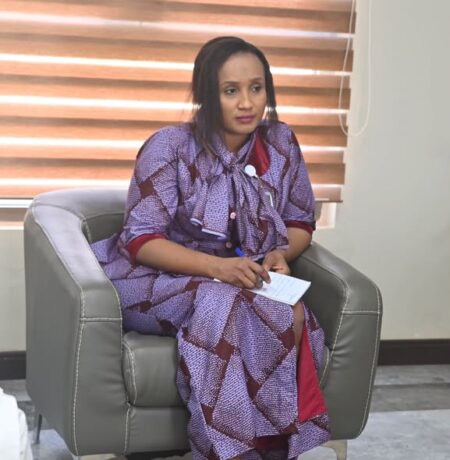
Madame Mariama Bailo-Barry, Guinea’s Director of Cabinet at the Ministry of Foreign Affairs, African Integration and Guineans Established Abroad
Participants also examined the responsibilities of institutions involved in the National Platforms and identified potential projects to improve livelihoods. The meeting further provided an opportunity to advance Framework Cooperation Agreements between the ECOWAS Commission and member states.
Programme Targets Security, Migration and Economic Development
The ECBCSP extends beyond funding local development projects to address wider regional challenges. Its priorities include migration management, free movement of persons, regional security and stronger institutional and legal frameworks.
Through technical and financial assistance, ECOWAS wants national institutions and local communities to develop joint socioeconomic initiatives. These projects are expected to strengthen local markets, improve cooperation and create opportunities for people living in border areas.
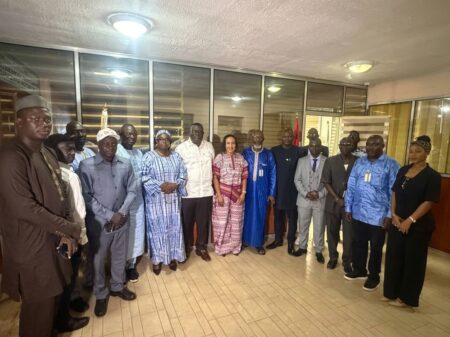
Delegates group photo during the launching
The initiative forms part of ECOWAS’s wider regional integration agenda, aimed at turning cooperation commitments into practical benefits for citizens. Its success will depend on effective project implementation and tangible improvements in the lives of border communities.







-
ECOWAS Allocates $1.2 Million to 12 Countries for Development in Border Communities
The Economic Community of West African States (ECOWAS) has allocated $1.2 million ... -
-
-