The Numbers
Every year, one in five mothers who give birth globally will experience postpartum depression. A meta-analysis of 565 studies across 80 countries puts the prevalence at 17.22% The World Health Organization (WHO) estimates 13 to 20%.
In developing nations, it rises to 19.8%. More than half of these cases go undiagnosed. Women suffer in silence, invisible in the data.
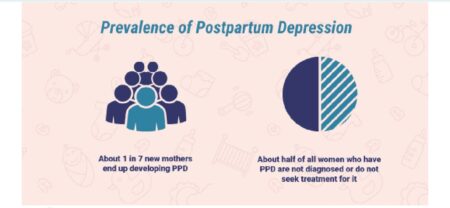
Photo credit: The Recovery Village
What Happens After The Celebration ?
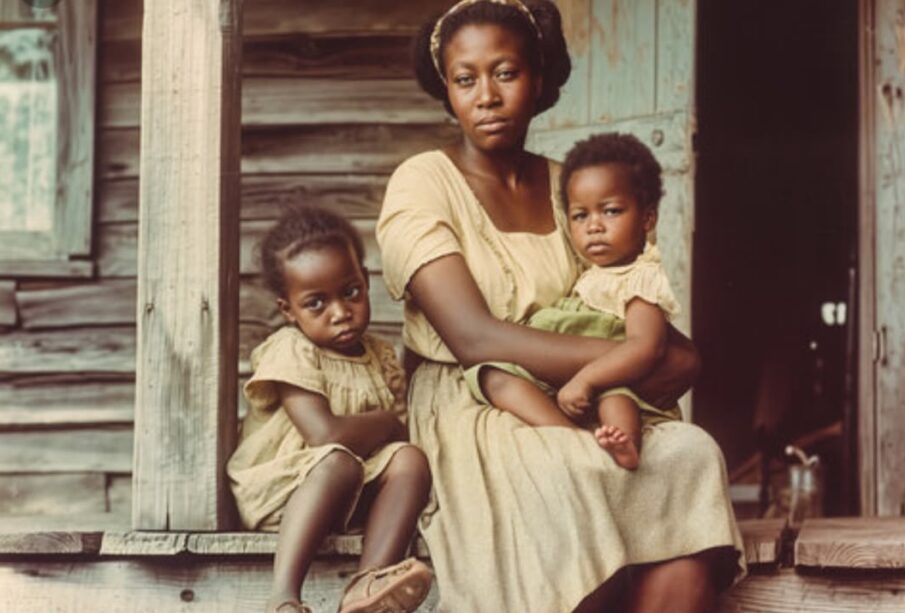
When a baby arrives in an African home, the family rejoices, offers prayers, holds naming ceremonies, welcomes visitors and receives congratulations.
But what happens when the celebration stops? When the visitors leave and the mother is left alone with a newborn she is still learning to hold, what happens next?
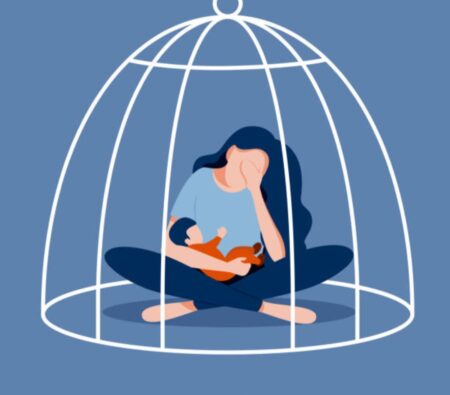
In many clinics in the west, care does not end with delivery. Nurses examine the baby, but they also look after the wellbeing of the mother and ask relevant questions about how she is feeling both physically and emotionally . They screen for a darkness that can appear after birth; when joy turns into fear. Sometimes a mother can hear voices that aren’t hers, cannot sleep, or feels detached from her baby. Doctors call this darkness postpartum depression, and in its most severe form, postpartum psychosis.
Postpartum Psychosis
What Is Postpartum Psychosis
According to the Mayo Clinic, it is a rare but severe mental illness that usually develops within the first two weeks after child birth. It may include hallucinations, delusions, extreme mood swings, paranoia, confusion,severe insomnia and thoughts of harming oneself or the baby. It is considered a medical emergency.
Doctors do not fully understand the cause, but they believe rapid hormonal changes after delivery, combined with risk factors such as a personal or family history of bipolar disorder or a previous psychotic episode, may play a role. Unlike baby blues, it does not go away on its own.
Treatment requires immediate hospital care and may include antipsychotic medicines, mood stabilizers, antidepressants and talk therapy. In severe cases where medication proves ineffective, doctors may recommend electroconvulsive therapy.
One of the most recent documented cases is that of Lindsay Clancy. On January 24, 2023, authorities accused the 36-year-old mother of killing her three young children in Duxbury, Massachusetts. Her defense argued she was suffering from postpartum psychosis. On September 4, 2026, after the seven days of deliberation, the case ended in a mistrial and pending a retrial.
The Sierra Leone Question
Recent studies suggest mental health challenges after delivery are common, but under-recognized in Sierra Leone.
A field report by Medecins Sans Frontieres midwife supervisor, Kristine Lauria, documented a case in Punduru, Gorama Mende in May 2019, where a woman four months postpartum had violent outbursts. Staff suspected postpartum psychosis.
Lauria noted that in low-resource settings like Sierra Leone, challenges are magnified by lack of knowledge, limited medication, and stigma.
A 2026 study in the International Journal on postpartum depression in Sierra Leone found high prevalence rates, consistent with wider evidence that PND and anxiety affect 23% of pregnant women in Africa.
In Sierra Leone, stressors are high: 61% of married women report experiencing physical, sexual or emotional spousal violence according to the Sierra Leone Demographic and Health Survey, though most cases go unreported due to shame and stigma . The country has also faced civil war, Ebola 2014 and COVID-19, leaving it ranked 182/189 in 2020.
Provisionary work in Pujehun District (June-Oct 2022)estimated 10% of malnourished pregnant women met criteria for depression. Lower literacy is linked to greater mental disorders and Sierra Leone has one of the highest illiteracy rates globally.
The treatment gap for severe mental illness in Sierra Leone is estimated at 98%, meaning most mothers do not receive help.
According to Dr. Samuel Sesay at Connaught Hospital in Freetown, Sierra Leone’s healthcare system has hardly any documented cases of postpartum psychosis. This low report may be due to the lack of education and awareness of the condition to the public.
“Creating awareness is important. If families know the signs, they will come to the hospital early instead of staying at home,” Dr. Sesay highlighted.
What Must Be Done
Although postpartum depression and psychosis exist, healthcare providers in Sierra Leone do not routinely screen for these conditions.
According to Dr. Sesay, there is a significant knowledge gap regarding postpartum psychosis, even among healthcare workers themselves.
To address this, he recommended continuous training for health workers to help them recognize the symptoms and understand how to manage such cases promptly.
He also called for,“ increased public education” to help families and communities identify early warning signs and know what steps to take.
He further emphasized the need for pregnant women to take their antenatal clinic checkups seriously, as early engagement with the health system is crucial for prevention and early detection.
WRITTEN BY DEBORAH KAMARA






-
The Issakaba Comeback: 25 Years Later, the Action Returns on November 13, 2026.
Issakaba is an anagram of Bakassi and draws inspiration from the real-life ... -
-
-