Dancing With a Disability in Sierra Leone: A Kono Dancer’s Fight to Be Seen
At 20, Pellet Aiah Foday, is used to being underestimated.
A dancer from Kono District in eastern Sierra Leone, Foday was born with a congenital transverse limb deficiency in his right hand. This hasn’t stopped him from developing his talent as a dancer. Today, he is a formidable member of the Tabitha Talent Academy.
But on the dance floor, he says, his biggest challenge is often convincing people to see beyond what they notice first.
“They think I can’t dance, so it’s always a pressure on me to prove myself,” Foday said.
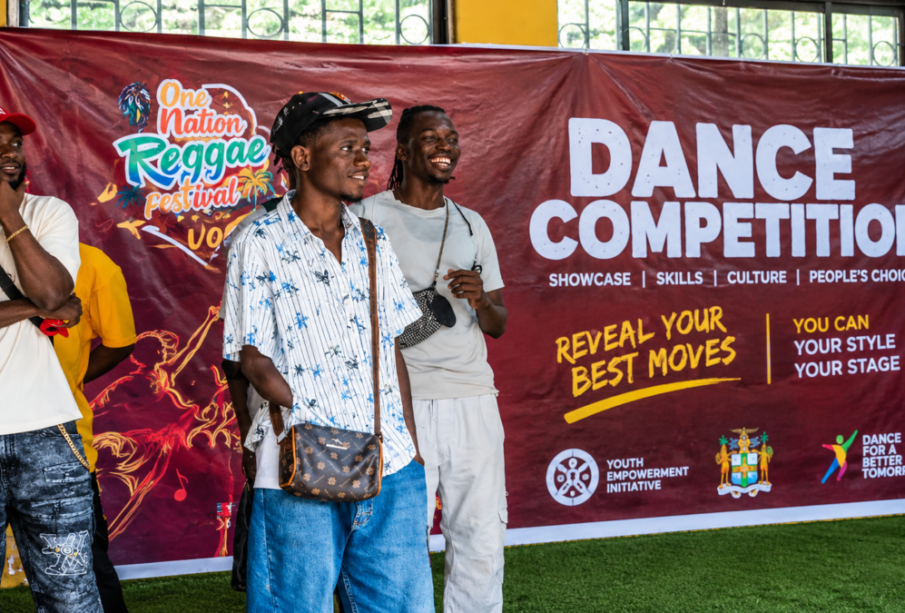
Now, Foday is competing for a place in the National Youth Creativity Showcase at the One Nation Reggae Festival Volume 2, an annual platform celebrating unity, creativity, and cultural renaissance between Sierra Leone and the Caribbean.
Organized by the Ministry of Tourism and Cultural Affairs and its partners, the showcase brings together young dancers from across Sierra Leone to perform choreography rooted in the country’s culture and rhythms. The festival was launched in 2025, with this year marking its second edition.
For Foday, reaching the national stage has meant navigating more than the demands of dance. His journey reflects some of the barriers people with disabilities in Sierra Leone encounter when pursuing creative careers, including doubt from others, pressure, and even financial constraints.
But for Foday, his talent gives him a chance to challenge the assumptions about what he can do and to prove that disability does not define the limits of a person.
“When I Dance, I Feel at Ease”
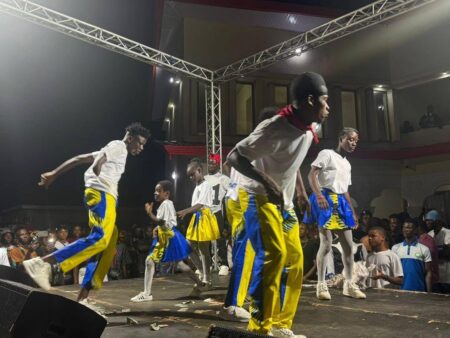
Pellet Aiah Foday & Members of Tabitha Talent Academy Dancing during Speedo’s show in Kono District
Foday describes dance as more than entertainment.
Foday, who prefers the term “differently abled,” says dancing relieves his stress. It also lets him express what words sometimes cannot.
“As someone who is abled differently, I feel joy whenever I dance. Whenever I’m stressed, I feel at ease when or after dancing,” he said.
His passion has continued despite the challenges that have followed him.
Foday says the opportunity created by the Ministry has shown him that people are beginning to recognise dance as something young people can build their lives around.
“The Ministry of Tourism and Cultural Affairs really showed us, through the opportunity of us dancing during the One Nation Reggae Festival, that there are people out there who are willing to support dancers,” he said.
For a young dancer who has often had to defend his choice of career, that recognition matters.
“This opportunity means a lot to me. I know what I am pursuing as a dancer is not idleness,” he said.
A Family That Once Questioned His Dream
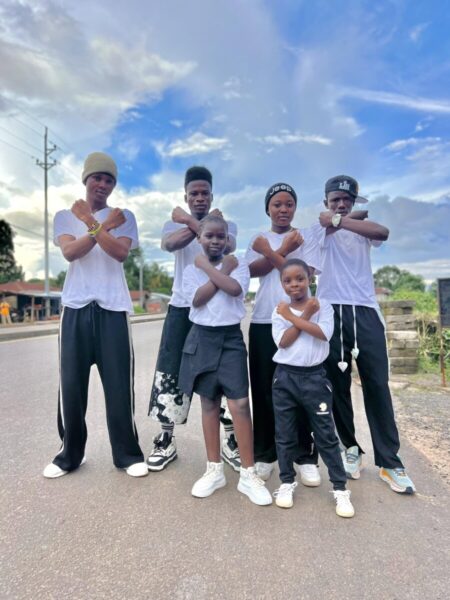
Pellet Aiah Foday (far right) & Members of Tabitha Talent Academy posing in the street of Kono District
The people closest to Foday did not always support his journey.
His family initially had concerns about his decision to pursue dancing, particularly because of his disability and the limited opportunities available to professional dancers in Sierra Leone.
They wanted him to consider another path but Foday continued dancing. Over time, his persistence changed their perception.
“Due to them seeing how persistent and persevering I am, they no longer frown at it,” he said.
For Foday, that change is significant. The people who once questioned his choice now support him to the fullest.
Challenges Beyond Financial Constraints
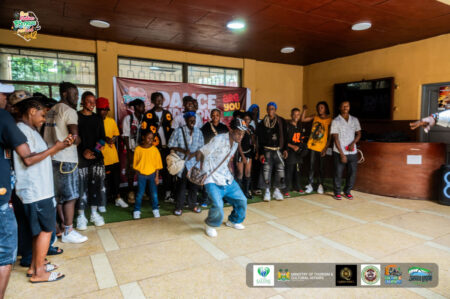
Pellet Aiah Foday (middle of the stage) dancing during the Ministry of Tourism dancers audition
Talent, however, does not remove the financial realities faced by young performers.
Foday says one of his biggest challenges is finding the money to maintain the appearance expected of a dancer performing before an audience.
He has to spend money on costumes, footwear and other items needed for performances, despite not having a regular job.
“My main constraints are financial constraints because I don’t have that much support,” he said.
He says preparing for performances can be expensive, especially when audiences expect dancers to look presentable on stage.
“I mostly buy costumes, footwear among other things to dance, so it’s not easy because I’m not working,” he said.
But money is not his only obstacle.
One Stage, One Big Dream
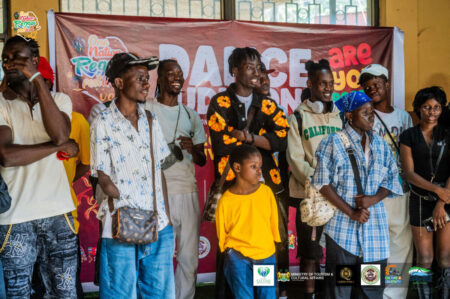
Pellet Aiah Foday (left) and other dancers during the Ministry of Tourism dancers audition
The One Nation Reggae Festival showcase could provide Foday with one of his biggest opportunities yet.
The Ministry of Tourism and Cultural Affairs is inviting young dancers from across the country to compete for a place on the festival’s main concert stage.
The call asks dancers to develop choreography that interprets Sierra Leone’s cultural identity, rhythms and traditions while reflecting the country’s shared African, Caribbean and wider Atlantic experience.
For Foday, making the final selection would be deeply personal.
“If I make the final cut, it will mean a lot to me,” he said.
He sees the festival as a major platform that could bring his talent before a much wider audience.
“It will appear as though someone who has achieved everything because the One Nation Reggae Festival is a big stage,” he said.
But even if the showcase is only one opportunity, Foday hopes it will contribute to a much bigger journey.
His ambition is straightforward.
“My dream is to become the biggest dancer from Sierra Leone.”
For a dancer who has had to overcome doubts about his ability, financial limitations and resistance, the road to that dream will not be easy.
But Foday is already dancing his way towards it.



-
2026 Sierra Leone Diaspora Investment Conference Report Released Following Landmark London Event
FOR IMMEDIATE RELEASE FREETOWN, SIERRA LEONE — Make Sierra Leone Famous LLC ... -
-
-