A Joint Jollof Venture: West Africa Sets Its Sights on Integration
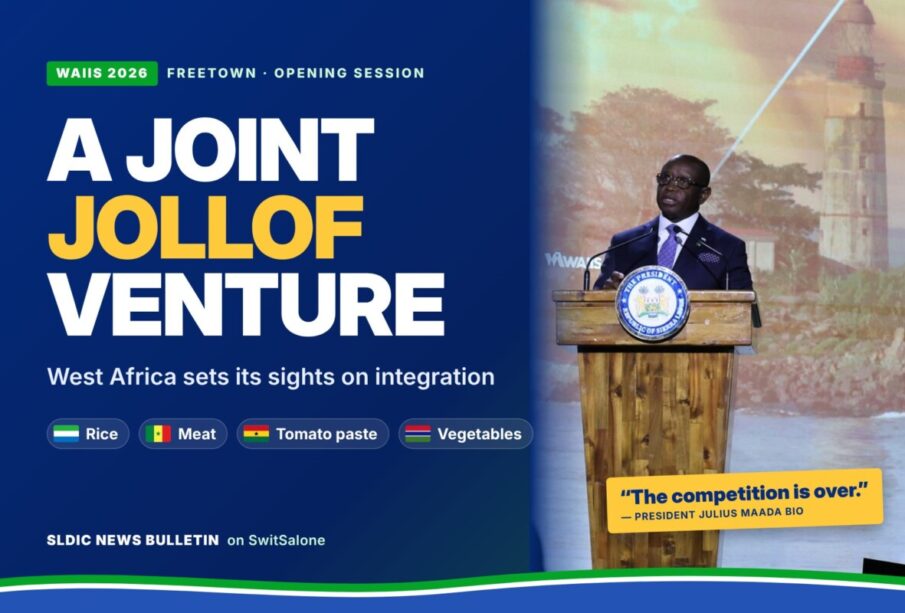

At the opening of the West Africa Integration & Investment Summit in Freetown, leaders called for deals, not declarations. The region’s most integrated people weren’t on stage: its diaspora.
The jollof joint venture
Midway through his keynote, President Julius Maada Bio reopened West Africa’s oldest rivalry. He had once conceded the jollof title to Ghana, he told the hall; today he would not be so diplomatic. The best jollof, he declared, comes from Freetown.
Then he offered a truce: a West African joint venture, with rice from Sierra Leone, meat from Senegal, tomato paste from Ghana and vegetables from The Gambia. “The competition is over.”
The room laughed, but the joke carried the summit’s whole argument. No single country makes the dish alone. Each brings what it does best, and the value is in the combination. That is regional integration on a plate.
The joke landed because the jollof wars were born in the diaspora. West Africans abroad argued over whose pot was best at parties, weddings and on social media long before presidents joined in. Integration on a plate is the idea that ran through the opening session of the West Africa Integration & Investment Summit (WAIIS 2026), which opened on 17 November at the Julius Maada Bio International Conference Centre.
The opportunity, and the gap
West Africa’s case for integration is easy to make and hard to deliver. ECOWAS was founded in 1975; after Mali, Burkina Faso and Niger left in 2025, it has 12 member states (Africanews).
President Bio described a regional market of more than 400 million people, with access to roughly 1.4 billion through the African Continental Free Trade Area. The summit arrived with more than 170 projects and a published investment pipeline of over US$180 billion across energy, minerals, agribusiness and digital (Arise News).
Yet West Africa still trades remarkably little with itself. President John Dramani Mahama put intra-regional trade at just 12–15%, a figure that has barely moved for years. By another measure, trade within ECOWAS is about 11.5% of the bloc’s exports, against 62.6% within the European Union (D+C).
The region’s own trade liberalisation scheme predates the continental free trade area. But checkpoints, extra certificates and poor roads still make moving goods from Freetown to Accra, or Accra to Lagos, an exercise in frustration.
“Try moving goods from Freetown to Accra, and you will regret it and never try again.”— President John Dramani Mahama
Bio’s vision is to close that gap. Fifty years after the founding leaders built a community of states, he said, this generation’s job is to build a community of markets, united by production, trade and investment.
“West Africa does not lack wealth. What we have lacked, for too long, is the ability to turn our productive wealth into shared prosperity.”— President Julius Maada Bio
-
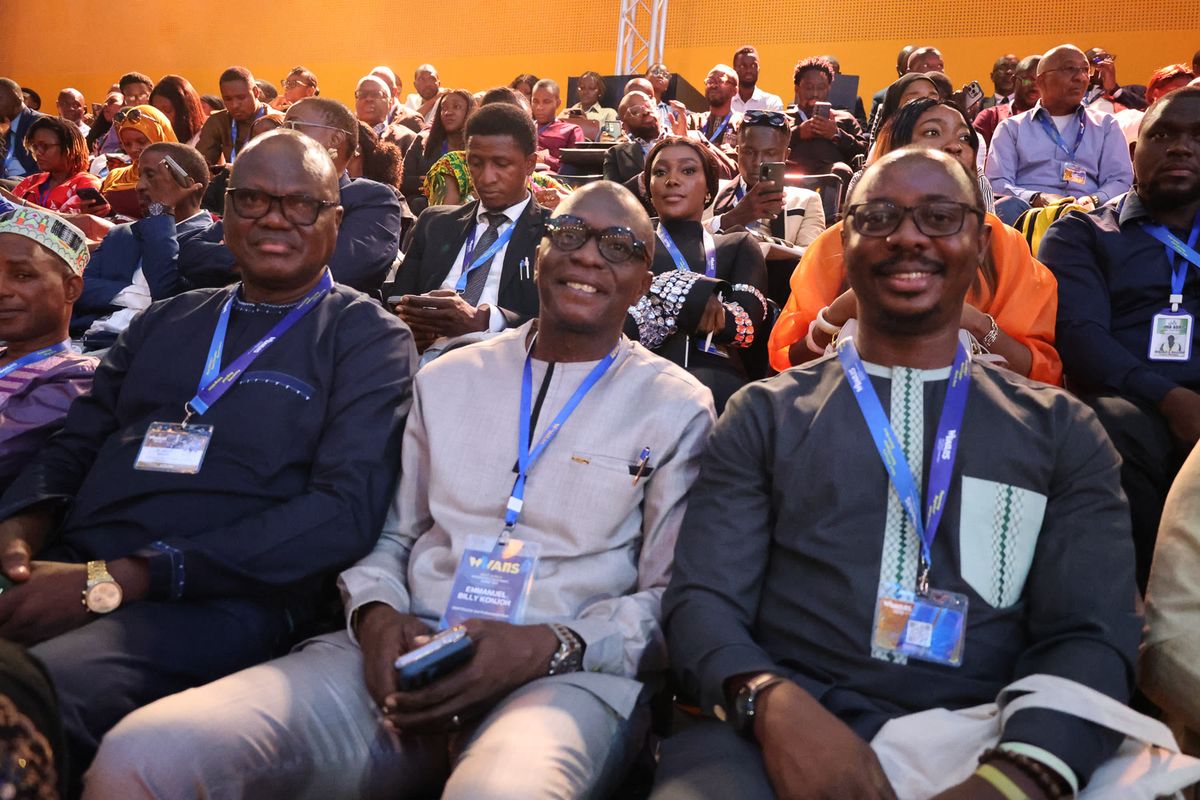
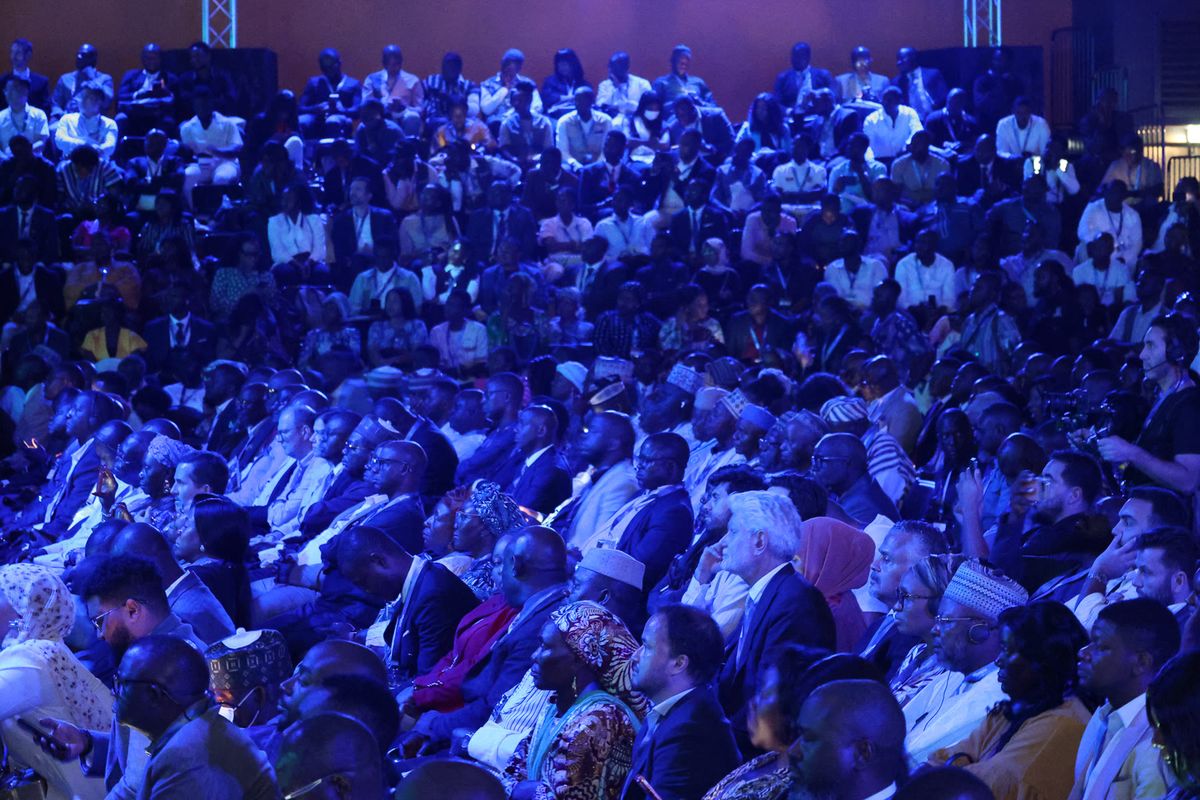
- Delegates in the main hall for the WAIIS 2026 opening session. Photo: SLDIC.
-
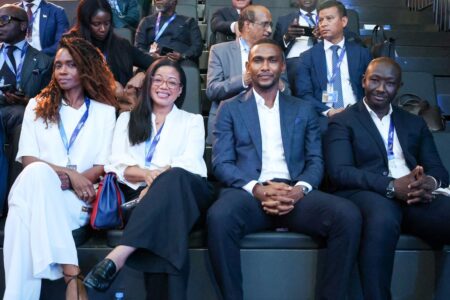
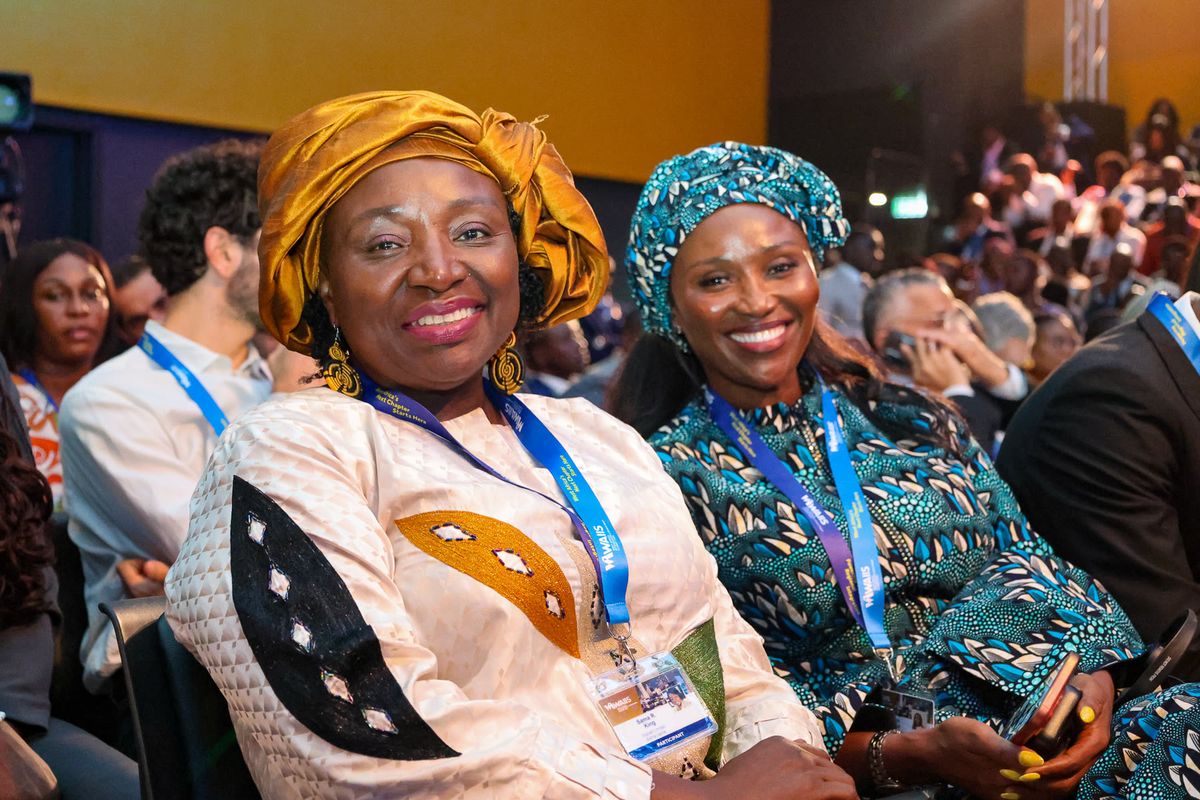
- Delegates in the main hall for the WAIIS 2026 opening session. Photo: SLDIC.
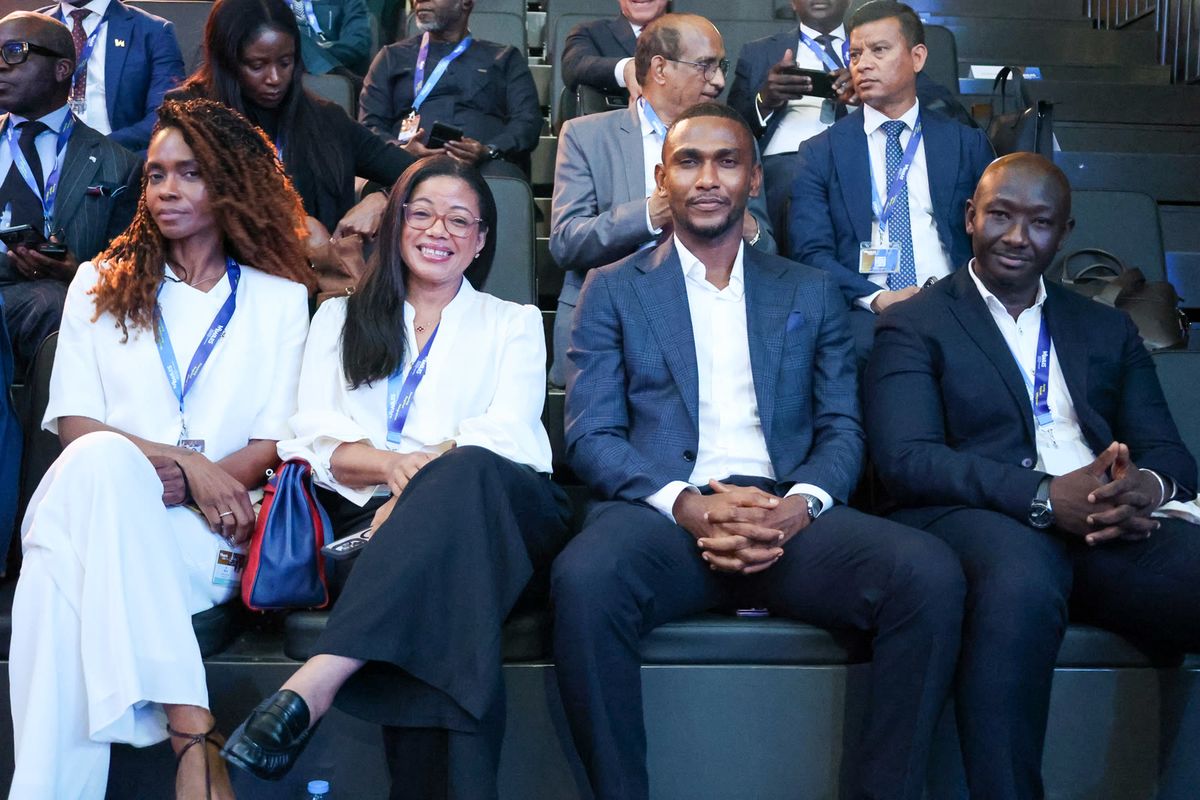
-
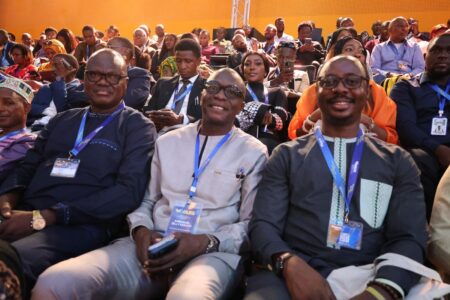
- Delegates in the main hall for the WAIIS 2026 opening session. Photo: SLDIC.
The integration that already exists
Leaders spent the afternoon describing an integrated West Africa as a goal. In London, Washington, Toronto and Paris, it is already daily life.
West Africans abroad host festivals together, pack the same Afrobeats concerts, wear the same fashion, watch the same films, and fly home for the same Detty December. A Ghanaian, a Nigerian, a Senegalese and a Sierra Leonean in the diaspora rarely think about the border between them. The jollof wars started there for a reason: it is a rivalry that only makes sense among neighbours who eat at each other’s tables.
No one understands the practical benefits of pan-Africanism and integration better than the West African diaspora. It already moves money, ideas, talent and taste across the region’s borders. Yet in a session about integration, the diaspora was barely mentioned as one of its instruments. It remains the region’s most overlooked tool for integration.
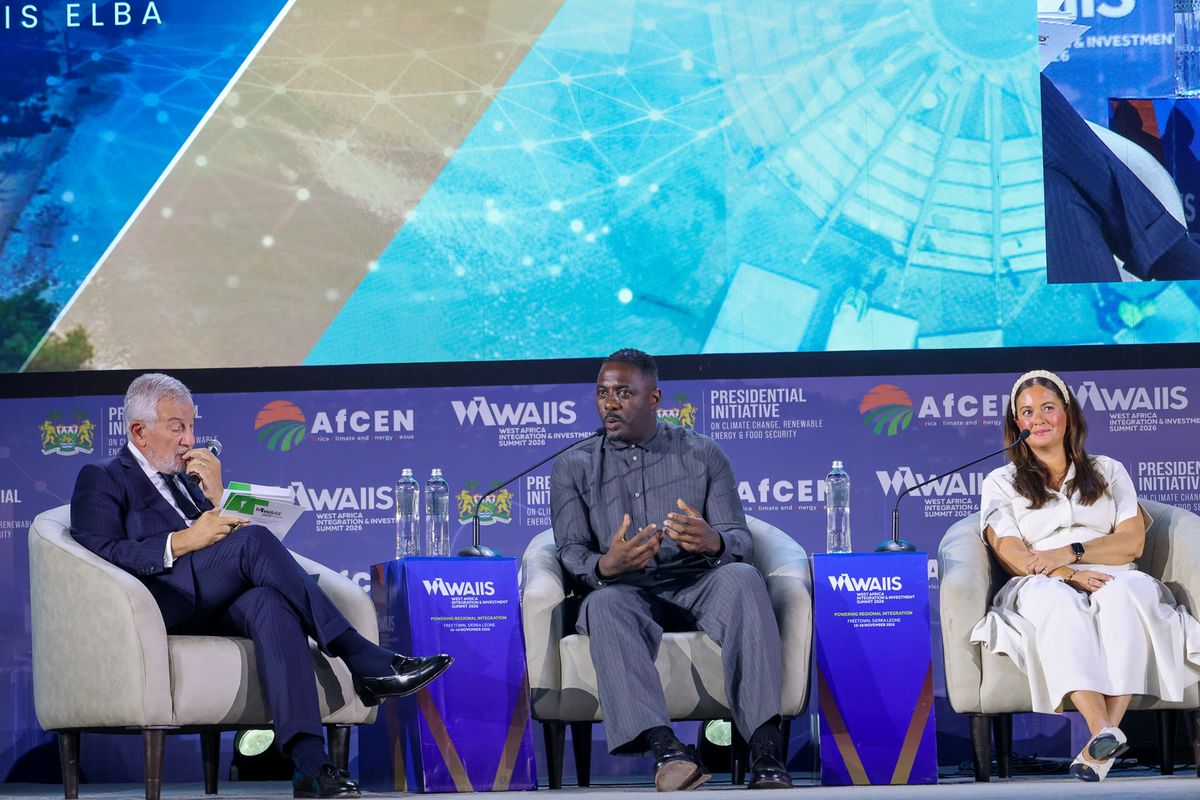
The one voice on stage to name it was Sir Idris Elba. In his “In Conversation” session, Elba gave the summit a new word: alongside the public and private sectors, he said, there is the “divate” sector: the private sector and the diaspora combined. “Divate money is important,” he said. “I come from the diaspora.” The answer to building investable projects, he said, was innovation: “Africans are innovative. When you don’t have, you make what you can.”
-
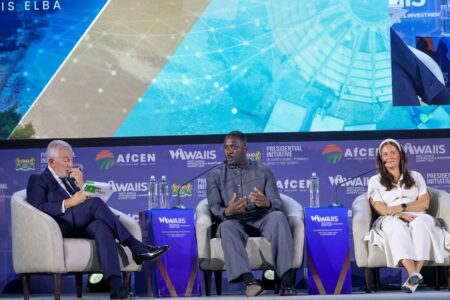
- Sir Idris Elba (centre) during the “In Conversation” session on the WAIIS 2026 main stage. Photo: SLDIC.
-
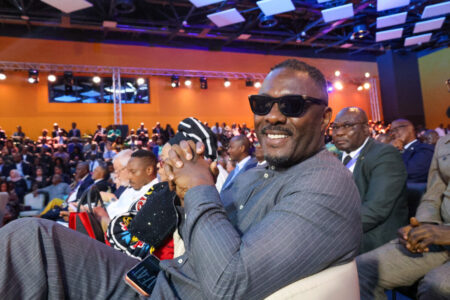
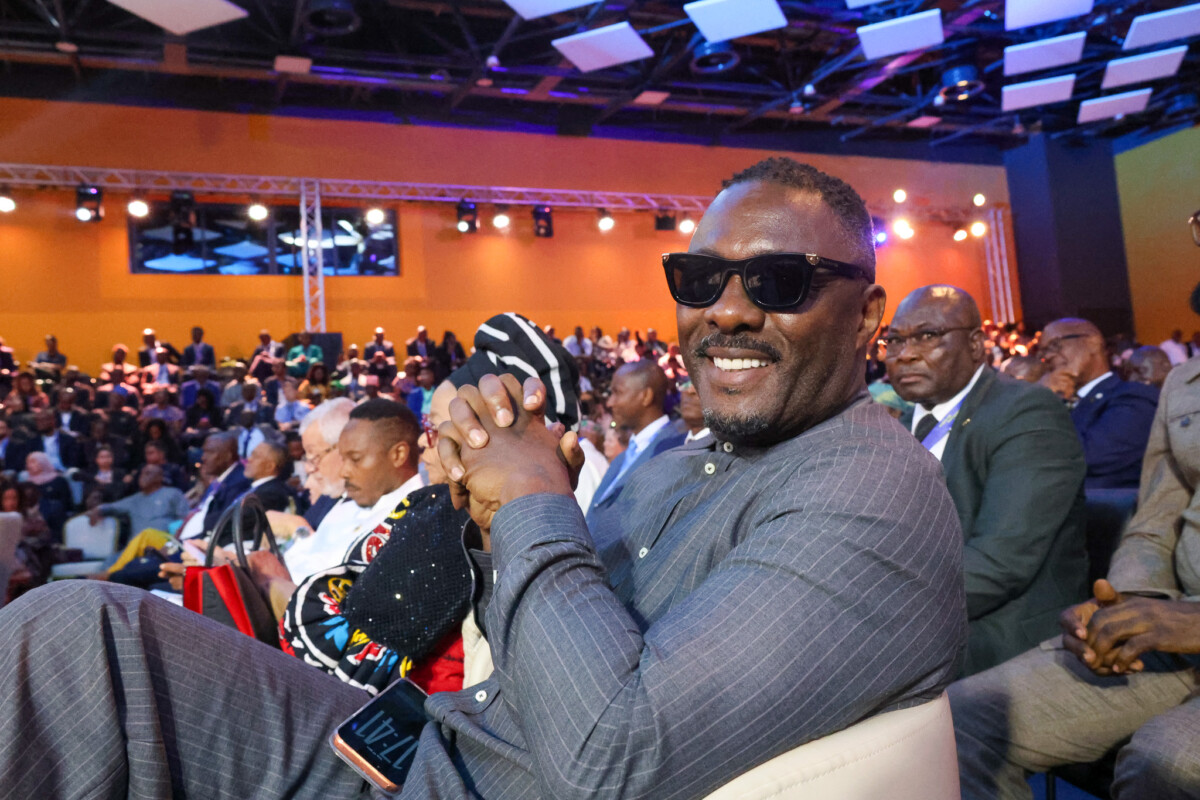
- Sir Idris Elba in the audience during the opening session. Photo: SLDIC.
“The divate sector is a combination of private sector and the diaspora. The diaspora is very powerful. It may not be corporation money, or financing, but it is passion, legacy, and history.”— Sir Idris Elba
SLDIC’s view: we are more than passion. Here we push back. Passion, legacy and history are why the diaspora invests, but the capital is real. Sierra Leoneans abroad send home about US$500 million a year, the Governor of the Bank of Sierra Leone told SLDIC London. That is not passion; it is finance. Across the region, Africans abroad sent an estimated US$56 billion to sub-Saharan Africa in 2024, a record, according to the World Bank (TechInAfrica). Nigeria’s first diaspora bond raised US$300 million in 2017 and was 130% subscribed (ThisDay). This year, Burkina Faso’s diaspora bond raised 151.5 billion CFA francs in a month, beating its 125 billion target (Financial Afrik, Burkina24). The divate sector is not only goodwill. It is a source of finance that governments are already tapping.
Sierra Leone as the gateway
For the Sierra Leonean diaspora in particular, the summit pointed to a practical path. Sierra Leone hosted the region’s leaders and set the agenda. What it still needs is a deliberate push to bring diaspora capital home, with clear incentives, protections and a front door for investors abroad.
A Sierra Leonean abroad can treat the country as an entry point to the whole regional market:
- Start here: home networks and a seat at regional summits.
- Build: register, partner and produce locally, in the sectors WAIIS prioritised: food, power, minerals and digital.
- Scale: use ECOWAS integration, and Bio’s proposed single-window registration, to sell across West Africa.
If ECOWAS adopts Bio’s proposed single-window business registration, a business registered in Freetown could operate across the community. That would turn Sierra Leone from a single national market into a gateway to the region.
“Investors come to West Africa not simply to extract value, but to create value here. Build with us. Produce here.”— President Julius Maada Bio
-
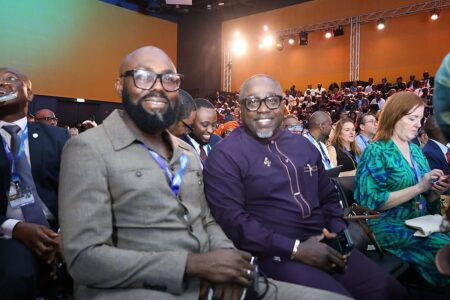
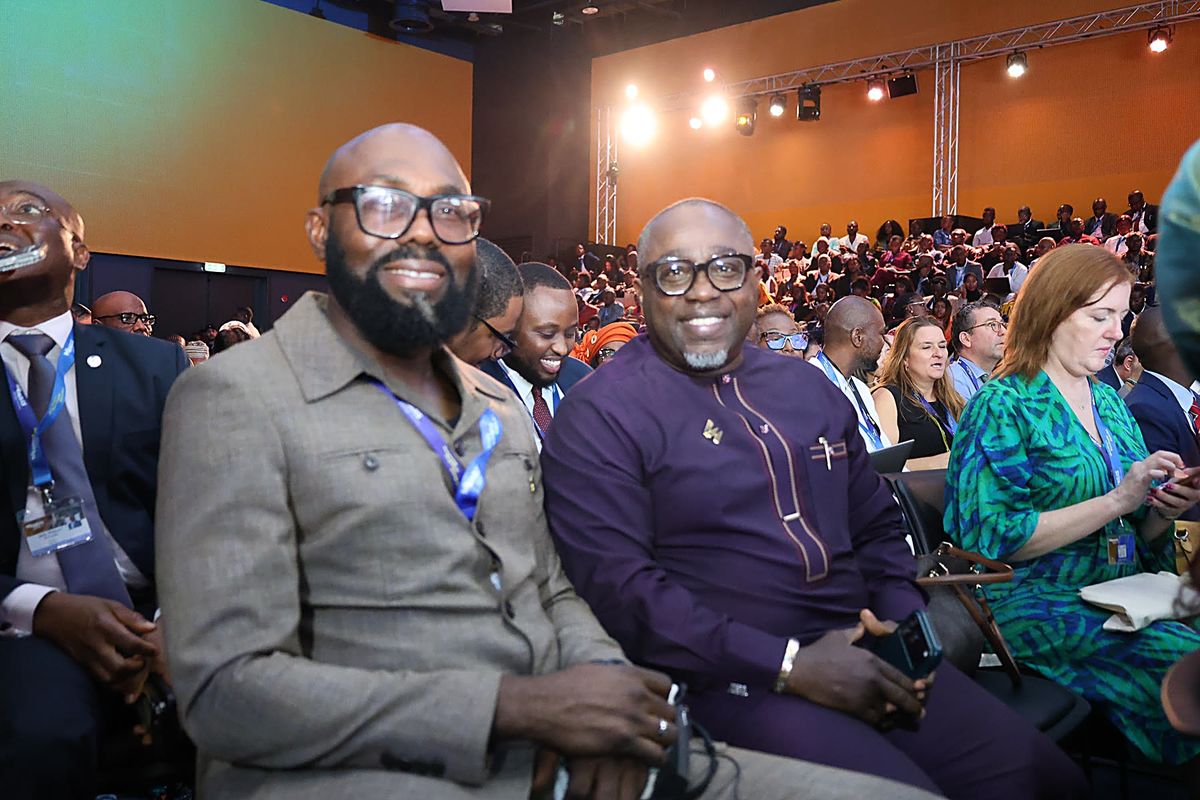
- Delegates at the WAIIS 2026 opening session. Photo: SLDIC.
-
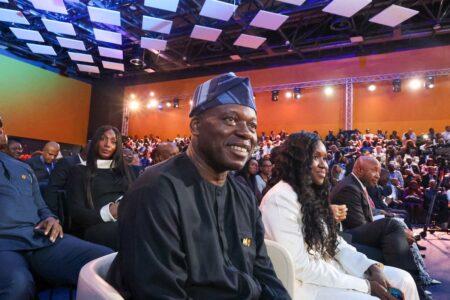
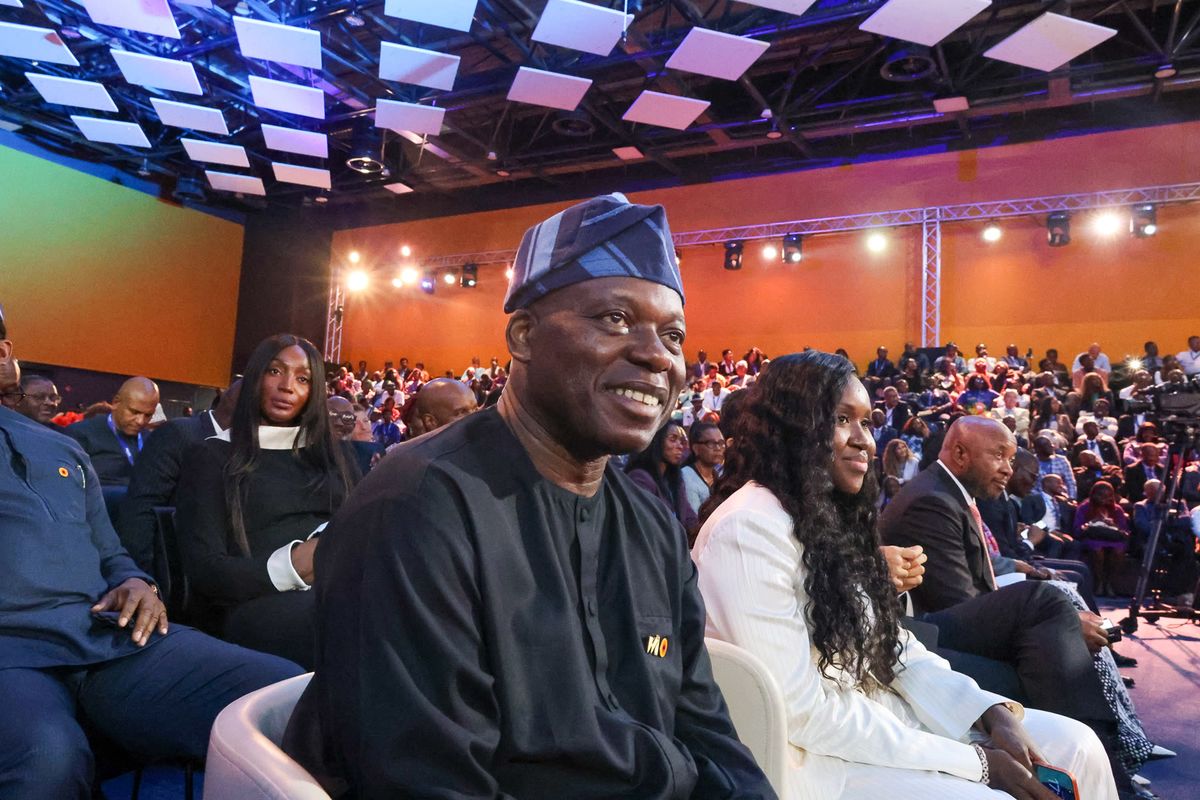
- Delegates at the WAIIS 2026 opening session. Photo: SLDIC.
What the leaders said
-
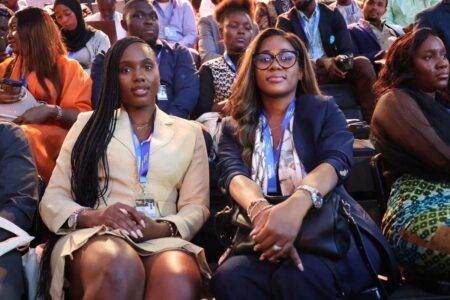
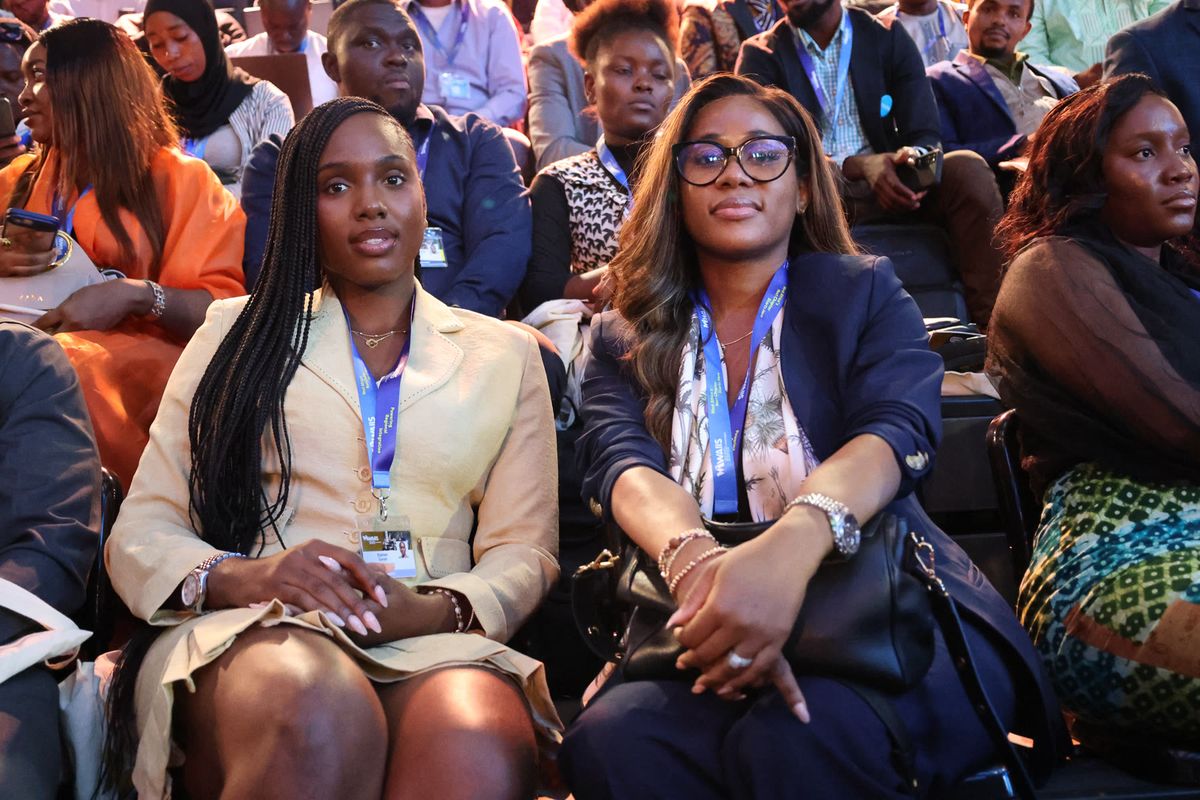
- Delegates in the main hall at the Julius Maada Bio International Conference Centre. Photo: SLDIC.
Speakers, in order of appearance: Hon. Dr Kandeh Yumkella (Chairman of WAIIS); Tony Elumelu (Chairman, Heirs Holdings, WAIIS co-chair); H.E. Dr Thani Al Zeyoudi (UAE Minister of Foreign Trade); H.E. Rtd. General Birame Diop (President, ECOWAS Commission); Allé Nar Diop (Senegal’s Minister of Economy, Planning and Cooperation, for President Bassirou Diomaye Faye); President Julius Maada Bio; President John Dramani Mahama; and Sir Idris Elba.
President Julius Maada Bio: “Tomorrow is deal day.” “This summit must produce more than declarations,” Bio said. His instruction was blunt: if you have money, come tomorrow; if you have projects, the summit will help get them to bankability.
He set out four regional priorities: feed ourselves, power to grow, minerals to industry, and connect to compete. He asked fellow leaders to adopt the single-window registration and tied investment to migration, describing young West Africans who “risk it all” to cross the ocean because the jobs are elsewhere. He proposed that the summit become a standing platform where leaders return to report what has been delivered.
-
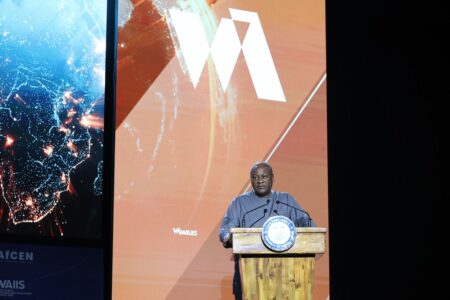
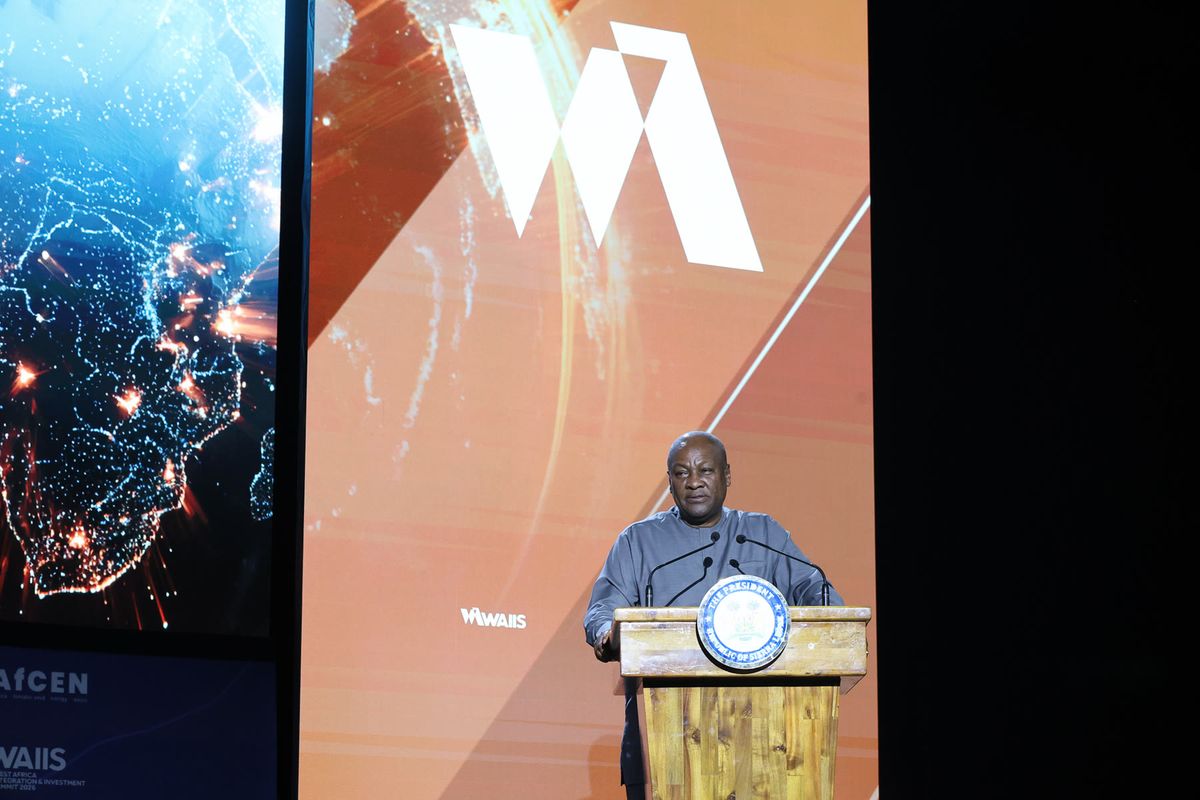
- President John Dramani Mahama of Ghana at the WAIIS 2026 opening session. Photo: SLDIC.
“Government is the enabler. Government cannot be the operator.”— President John Dramani Mahama
President John Dramani Mahama: trade, value and sovereignty. Ghana’s president blamed non-tariff barriers for the region’s weak trade. Governments provide stability, the rule of law and infrastructure, he said; development finance institutions provide patient capital; the private sector builds. Every time West Africans eat imported rice or chicken, “we export value and bring poverty back home.”
He told his host that Sierra Leone’s minerals should serve Sierra Leoneans, and cited Ghana’s Gold Board: small-scale gold output rose from 64 tonnes worth US$4.6 billion in 2024 to 104 tonnes worth US$10.8 billion after the reform, while royalties moved from a fixed 3% to a 5–12% sliding scale (3News). He also called for more cross-border power trade, now about 7%, and proposed launching the ECO currency with the countries that are ready.
“African minerals must be a source of wealth and prosperity for African people.”— President John Dramani Mahama
Tony Elumelu: integration through investment. The Heirs Holdings chairman and WAIIS co-chair argued that integration will be delivered by investment, not proclamation. He pointed to the Tony Elumelu Foundation’s support for more than 24,000 young entrepreneurs across all 54 African countries, and warned that the region cannot keep exporting its young people instead of creating opportunities for them.
“The world is changing rapidly, and West Africa cannot afford to remain a spectator.”— Tony Elumelu
H.E. Rtd. General Birame Diop: from potential to productivity. The President of the ECOWAS Commission listed the region’s assets, from its population and farmland to its energy and digital potential, and called for bankable projects, credible financing and partnerships that deliver.
-
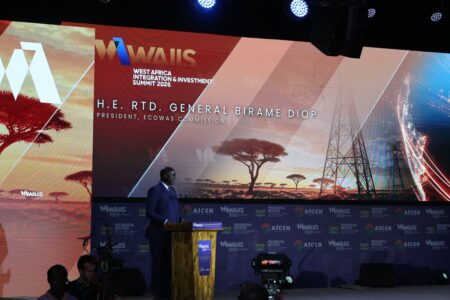
- H.E. Rtd. General Birame Diop, President of the ECOWAS Commission, at WAIIS 2026. Photo: SLDIC.
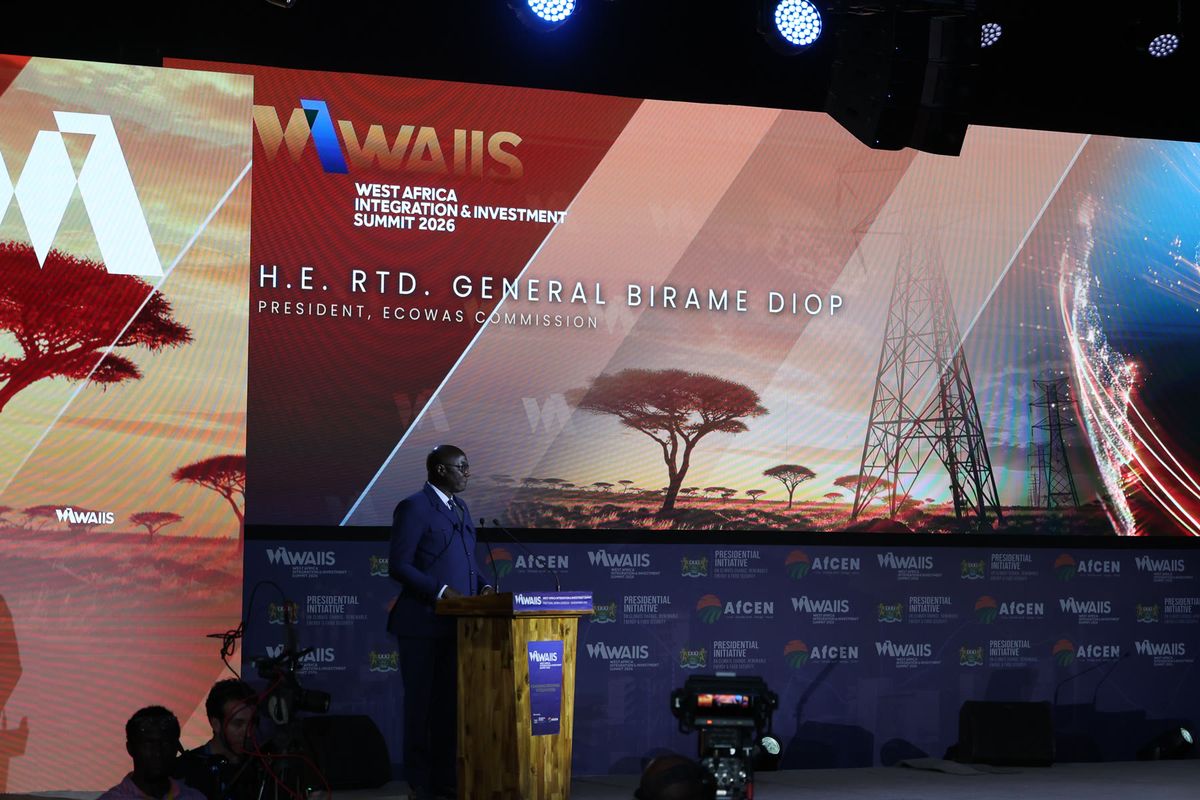
“Success must ultimately be measured not by the number of declarations, but by the investments mobilised.”— H.E. Rtd. General Birame Diop
Allé Nar Diop spoke in French on behalf of President Faye; Dr Thani Al Zeyoudi and Dr Kandeh Yumkella also addressed the session.
“The time for Africa’s potential to become Africa’s prosperity is now.”— President Julius Maada Bio, closing his keynote
-
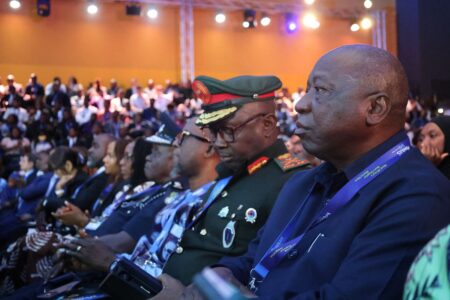
- Delegates and officials in the main hall. Photo: SLDIC.
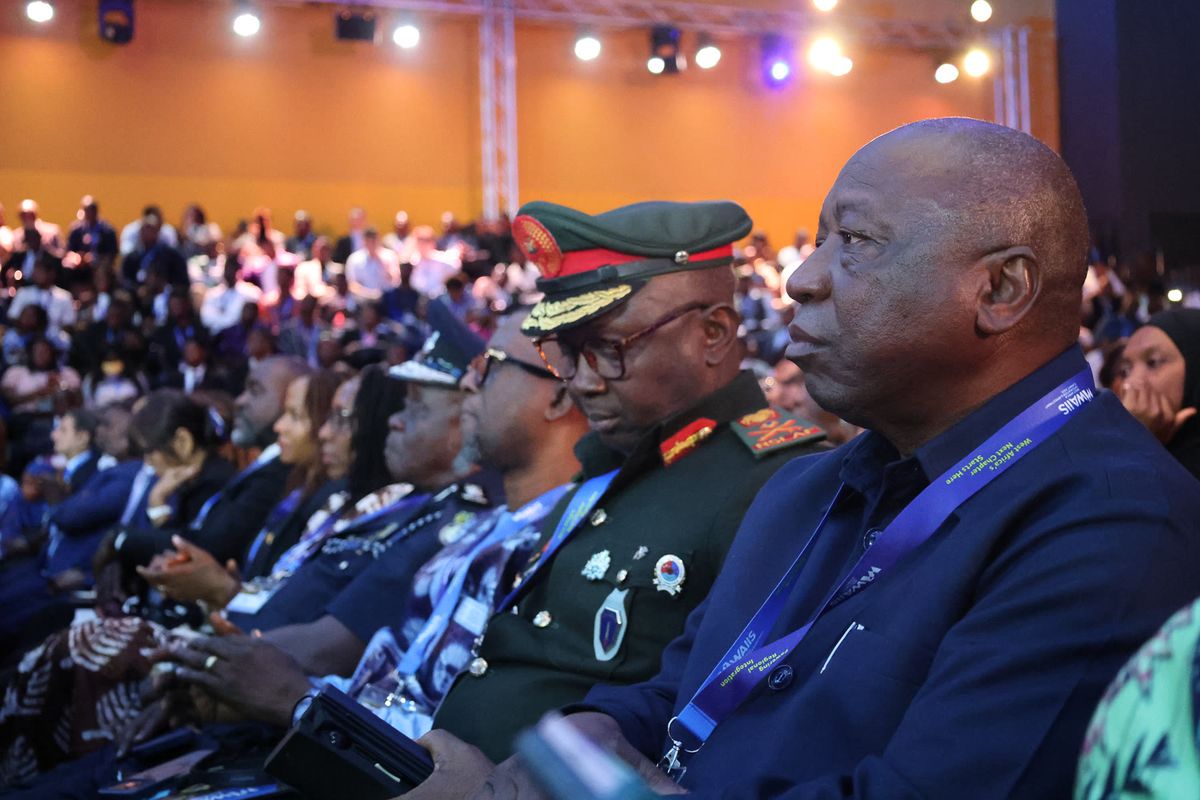
-
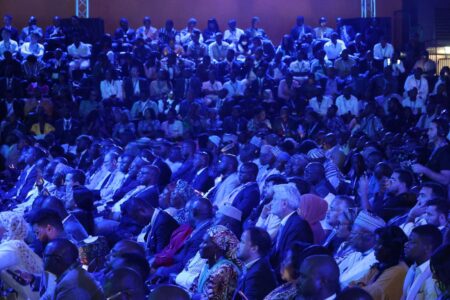
- The main hall during the WAIIS 2026 opening session. Photo: SLDIC.
What to watch
- Deal day. Which of the 170+ projects reach signed commitments, and in which sectors.
- The single window. Whether ECOWAS takes up Bio’s call for one business registration across the community.
- A seat for the diaspora. Whether the “divate” sector gets a formal place in the region’s integration agenda.
SLDIC Freetown 2026, 28–29 December. We will carry these questions into the conference, run in partnership with the Office of the Vice President and the National Investment Board: how the diaspora can start in Sierra Leone, build here and scale across West Africa.
This report covers the opening leaders’ session only and is based on SLDIC’s own audio recordings and photographs. Quotations are drawn from audience recordings; President Mahama’s figures were checked against 3News’ report of his speech. Photos: SLDIC.



-
A Joint Jollof Venture: West Africa Sets Its Sights on Integration
President Bio’s jollof joint venture joke carried the summit’s whole argument. West ... -
-
-