Rastafari Council Commemorates Selassie Visit to Sierra Leone
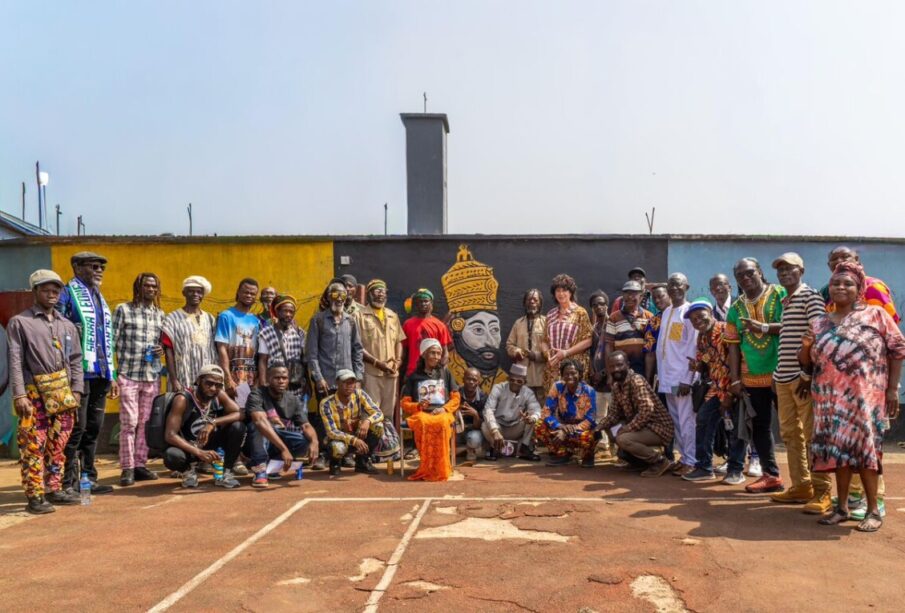
The Rastafari Council of Sierra Leone (RCSL) commemorated, for the first time, the coming of Emperor Haile Selassie I of Ethiopia to Sierra Leone with a historical discussion centred around Rastafarian history and cultural reflections at the Negus Nagas Complex in Grafton on 16 January 2026.
Emperor Selassie visited Sierra Leone on Friday, 16 January 1972, marking the 54th anniversary of his historic visit.
At the time, Sierra Leone was emerging from British rule, having gained independence in 1961 and becoming a republic in 1971.
Emperor Haile Selassie’s Visit to Sierra Leone
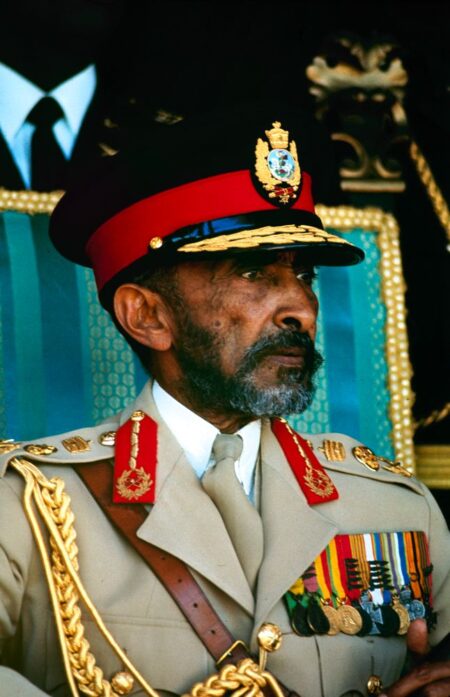
Image: Emperor Haile Selassie I of Ethiopia
Emperor Selassie made a four-day visit to Sierra Leone from 16 to 19 January 1972 and was hosted by President Siaka Stevens.
He was received by thousands of Sierra Leoneans at the Siaka Stevens Stadium, now the National Stadium.
During his visit, he was awarded an Honorary Doctorate of Civil Law by Fourah Bay College, University of Sierra Leone.
Emperor Selassie’s visit aimed to strengthen diplomatic and cultural relations between Sierra Leone and Ethiopia.
He addressed the Sierra Leone Parliament, cementing Ethiopia’s position in strengthening bilateral ties with Sierra Leone, and later visited the diamond-rich region of Kono in the Eastern Province, where he was gifted a diamond.
Sierra Leone was the second country he visited as emperor.
He is regarded as one of the most celebrated African leaders who ever lived.
Rastafari Council of Sierra Leone and Its Mission
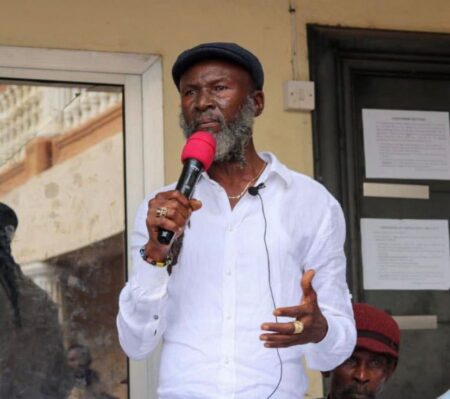
Image: Late Father Elijah Mohamed Issa Gegra, Founder, Rastafari Council of Sierra Leone
The Rastafari Council of Sierra Leone was founded in 2019 by the late Father Elijah Mohamed Issa Gegra, who was also the founder of Culture Radio.
“Rastafarian is not just a movement; it is a conscious movement rooted in African spirituality and Pan-Africanism,” said Paul Kamara, former Minister of Sports.
He spoke about how musicians such as Emerson Bockarie and Amara Kabba led a revolution through their music, which aligns with Rastafarian philosophy to liberate and emancipate people.
Tribute to Amara Kabba and Reggae Legacy
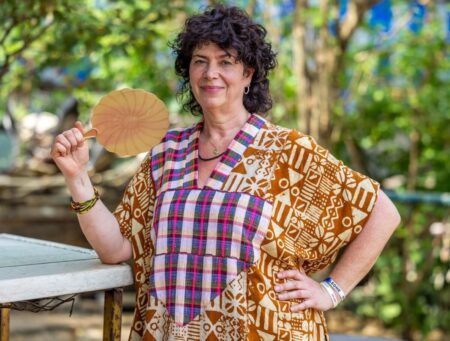
Image: Ann-Marie Tiebosch Kabba, Wife of Late Amara Kabba
Ann-Marie Tiebosch Kabba, wife of the late Sierra Leonean reggae singer and musician Amara Kabba, was also in attendance.
She recalled her husband’s contributions to Sierra Leonean reggae music and reggae music in general, saying she was delighted to continue contributing to the Rastafari community in Sierra Leone and keeping his legacy alive.
Ann-Marie referenced one of her husband’s most popular songs, Confront It, which she described as a message to reggae people and all Africans.
“When it comes to the song Confront It, Amara Kabba said it is you who has the power and courage to confront our problems and make a change,” she said.
Rastafari Movement, History, and Misconceptions
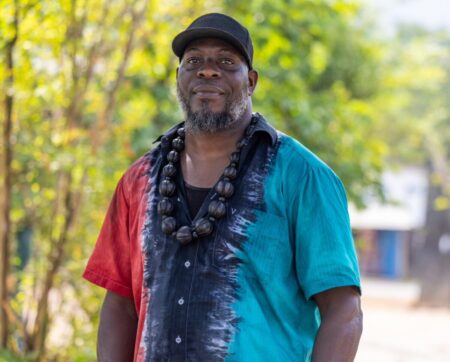
Image: Chief Foday Ajamu Mansaray, Director of International Affairs of the Rastafari Council of Sierra Leone
Chief Foday Ajamu Mansaray, the Director of International Affairs of the Rastafari Council of Sierra Leone, spoke about the council’s role in the country.
He said the Rastafari movement was born out of the struggles of African people during colonialism and is rooted in the liberation of African peoples.
“The Rastafari movement was born out of the oppression of Africans in the diaspora, particularly in Jamaica,” said Mansaray.
He also spoke about Sierra Leone’s struggle for independence from British rule.
Mansaray told the audience that misconceptions about the Rastafari community in Sierra Leone stem from a lack of education about the faith’s history.
Mansaray said the movement teaches obedience, respect for the rule of law, kindness, tolerance, good character, and compassion.
Mansaray linked Burkina Faso’s nickname, “Land of Upright People,” to the movement, saying Rastafari means being upright and truthful to one’s soul and consciousness.
Mansaray urged people to stop defining Rastafarians as cannabis smokers, saying that should not be the narrative of the movement.
He added that the RCSL would continue educating the public about Rastafarian beliefs to wipe out distorted narratives and called on young people to learn about the movement, embrace its teachings, and keep the peace.
Mansaray also urged Sierra Leoneans to respect the rule of law and protect children and women.
Rastafari Beliefs and African Unity
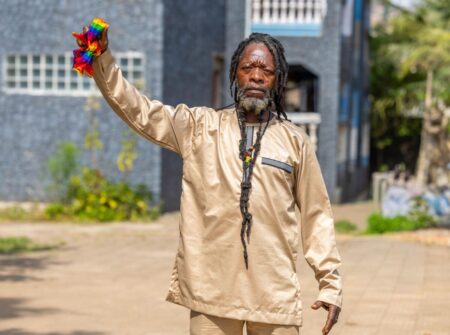
Image: Ras Larry Morgan, President of the Rastafari Council of Sierra Leone
The President of the Rastafari Council of Sierra Leone, Ras Larry Morgan, said Rastafari belief is rooted in kindness toward one another and living by honest work rather than begging.
“The ideology of the Rastafari people is oneness and the unification of Africa as posed by His Imperial Majesty Emperor Haile Selassie I,” said Ras Morgan.
He added that it is unfortunate that people think Rastafari people are criminals because they smoke cannabis, acknowledging that while some do, that should not define the movement.



-
Sierra Leone Moves a Step Closer to Eliminating Cervical Cancer
Sierra Leone announced on Wednesday, March 3 2026, that it has surpassed ... -
-
-