
Local Content Rules Explained: How Sierra Leonean Firms Can Win Mining and Energy Contracts
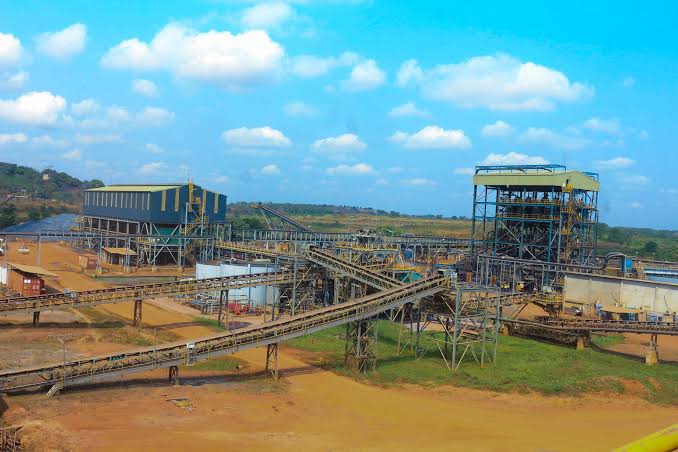
Iron ore mining site

Sierra Leone’s mining and energy sectors offer business opportunities beyond extracting minerals and generating electricity. From transporting equipment and supplying construction materials to providing catering, engineering and maintenance services, companies operating in these industries depend on a wide network of suppliers.
For Sierra Leonean entrepreneurs, the country’s local content laws are intended to make those opportunities more accessible.
The rules require companies to prioritise Sierra Leonean workers, goods and services under specified conditions. But local ownership alone does not guarantee a contract. Businesses must also demonstrate that they can meet the technical, financial, safety and delivery requirements of the companies they want to serve.
Understanding how the rules work is therefore an important first step for local businesses hoping to enter the mining and energy supply chains.
What are Sierra Leone’s Local Content Rules?
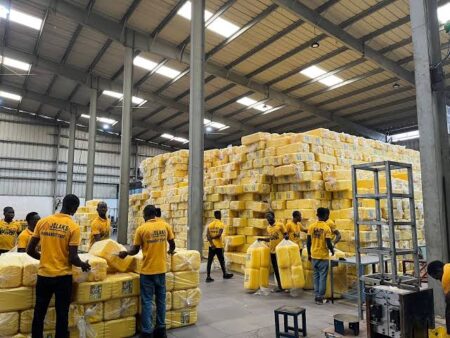
Local produced palm oil packed in a ware house
Local content refers to the participation of Sierra Leonean businesses and workers in economic activities taking place in the country.
The main legal framework is the Sierra Leone Local Content Agency Act, 2016, which established the Sierra Leone Local Content Agency (SLLCA) to promote local employment, procurement, business development and skills transfer.
The law covers several industries, including mining, petroleum, construction, manufacturing and energy.
Its purpose is to ensure that major investments create opportunities for Sierra Leoneans rather than relying almost entirely on imported goods, foreign contractors and expatriate workers.
The Sierra Leone Investment and Export Promotion Agency explains that a Sierra Leonean company, for the purposes of the local content framework, is one in which Sierra Leonean citizens own at least 50% of the share capital.
The distinction matters because a business registered in Sierra Leone is not necessarily classified as Sierra Leonean-owned under the law.
What Does the Law Say About Mining Contracts?
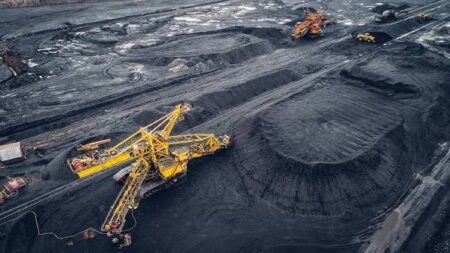
Iron ore mining site
Mining companies have additional obligations under the Mines and Minerals Development Act, commonly referred to as the 2022 Act.
Section 166 requires mining licence holders to give priority to Sierra Leonean goods and services when they are substantially equivalent to foreign alternatives in quantity, quality, price and delivery dates.
The provision also requires mining operators, to the maximum extent possible, to employ Sierra Leonean citizens. Unskilled labour needed for licensed activities must be provided by Sierra Leoneans.
Section 167 further requires preference for suitably qualified Sierra Leoneans in employment and obliges licence holders to develop skills and professional training plans.
For local businesses, the procurement provision is particularly important.
It means a mining company should not automatically overlook a capable Sierra Leonean supplier in favour of an overseas competitor offering comparable goods or services.
However, the requirement is not an unconditional guarantee that the local supplier will win.
A company seeking to supply machinery parts, for example, must still demonstrate that its products meet the mine’s specifications, arrive on time and are competitively priced.
Do the Rules Apply to Energy Companies?
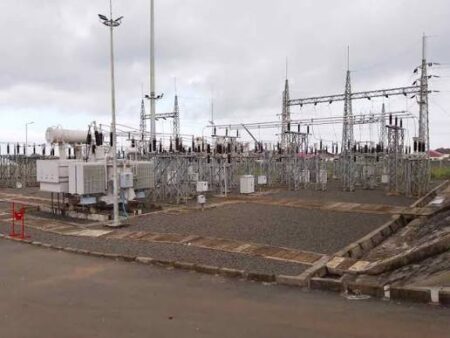
A power plant in Sierra Leone
Yes. Sierra Leone’s local content framework also covers energy and petroleum activities.
Businesses involved in electricity generation, energy infrastructure, petroleum operations and related services fall within the wider framework, although specific procurement requirements may differ depending on the project, regulator, financing arrangements and applicable contracts.
For local firms, opportunities can arise in electrical installations, civil works, transport, equipment supply, security, maintenance and other support services.
Companies interested in these contracts should examine the requirements of the particular project rather than assume that mining procurement rules apply unchanged to every energy contract.
Which Contracts can Sierra Leonean Businesses Pursue?

Congo Town Market, Freetown.
A common misconception is that mining and energy contracts are reserved for large engineering companies with substantial capital.
Although major construction and technical contracts often require significant experience and financial resources, the supply chains also include services that smaller businesses may be able to provide.
These include transport and logistics, uniforms and protective clothing, catering, office supplies, cleaning, waste management, equipment servicing, building maintenance and locally sourced construction materials.
More specialised businesses may pursue opportunities in electrical engineering, mechanical maintenance, information technology, laboratory services and equipment supply.
The exact opportunities depend on what each operator purchases, its approved supplier requirements and whether it undertakes the work directly or through a principal contractor.
For smaller firms, subcontracting with an established contractor may provide a more realistic entry point than competing immediately for a large contract.
How can a Local Business Become an Approved Supplier?
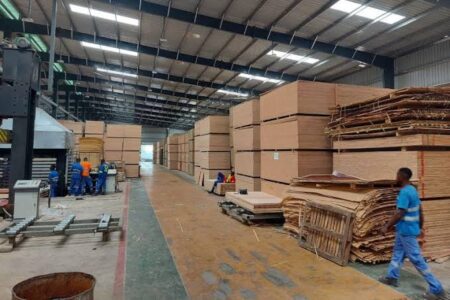
A warehouse in Freetown
The first step is to establish a properly registered business with the documentation required to operate legally.
The Sierra Leone Local Content Agency says businesses seeking inclusion in its Local Supplier Database must submit information including a business registration certificate, tax identification details and evidence of Sierra Leonean ownership.
The database is intended to help companies identify qualified local suppliers.
However, registration with the agency should not be confused with approval by a mining or energy operator.
Individual companies may maintain separate supplier registration systems and require additional documentation before allowing businesses to participate in tenders.
Depending on the contract, these requirements may include financial statements, evidence of previous work, references, insurance, technical qualifications and health and safety procedures.
A supplier offering transport services, for instance, may need to provide vehicle records, insurance documents, maintenance arrangements and evidence that its drivers meet the required safety standards.
A business supplying industrial equipment may need to demonstrate product authenticity, technical compliance, warranty arrangements and after-sales support.
Where can Businesses Find Contract Opportunities?

Individuals at a business meeting
Businesses should begin by identifying the companies operating in their chosen sector and the products or services those companies regularly purchase.
Mining operators and major contractors may advertise tenders, invite quotations from registered suppliers or organise procurement and supplier engagement activities.
The U.S. International Trade Administration’s Sierra Leone mining guide advises prospective suppliers to approach mining procurement departments, monitor public tenders, build relationships through industry networks and establish credible business references.
The Sierra Leone Chamber of Mines can also be a useful starting point for understanding the industry and identifying operators.
For energy-related opportunities, suppliers should monitor procurement notices issued by relevant utilities, project developers, contractors and public institutions.
Government-funded procurement may be subject to public procurement rules, while privately financed projects may use their own purchasing procedures.
A business should therefore confirm where an opportunity is advertised, who is responsible for procurement and which eligibility requirements apply.
Why do Some Local Businesses Struggle to Win Contracts?
Legal preference does not eliminate the practical difficulties facing smaller suppliers.
Mining and energy operators often require reliable delivery schedules, technical certifications, strong safety procedures and sufficient working capital.
A supplier may be capable of providing a product but unable to finance a large order before receiving payment.
Others may struggle to obtain equipment, meet insurance requirements or demonstrate experience on projects of a similar size.
These challenges can make it difficult for smaller companies to compete, even when local content rules favour their participation.
One way to address the problem is to begin with smaller contracts, establish a performance record and gradually pursue more demanding opportunities.
Partnerships can also help businesses combine technical expertise, equipment and financial resources.
However, a partnership must involve genuine business participation. Merely placing a Sierra Leonean name on a company without meaningful ownership or involvement does not achieve the purpose of local content policy.
What Happens When Companies Ignore Local Content Requirements?
The Sierra Leone Local Content Agency is responsible for monitoring compliance with the local content framework.
According to the agency, its activities include reviewing local content plans, examining procurement and employment practices, conducting inspections and assessing company reports.
The agency says non-compliance can lead to warnings, fines or other sanctions, depending on the circumstances.
SLIEPA also identifies a reporting requirement for contracts, subcontracts and purchase orders above US$250,000. This includes sending relevant tender information to the Local Content Agency in advance.
For local businesses, these provisions provide a basis for asking questions when they believe procurement opportunities have not been handled in accordance with the law.
However, an unsuccessful bid does not automatically establish a violation. A complaint would need to identify the relevant requirement and evidence of possible non-compliance.
What Should Entrepreneurs Do Before Bidding?
A business hoping to enter the mining or energy sector should first decide which goods or services it can supply consistently.
Entrepreneurs should not apply for every tender. They can focus on opportunities that match their experience, equipment, staff and financial capacity.
They should then prepare a company profile and organise their registration and tax documents. Next, they should obtain relevant technical certifications and identify the procurement requirements of potential clients.
Keeping records of completed work is equally important. References, delivery records and evidence of successful projects can help a business demonstrate reliability.
Entrepreneurs should also calculate their costs carefully before submitting bids. A contract can hurt a small business if the price is too low. The price must cover transport, materials, staffing and other expenses.







-
Fela Kuti Enters Rock & Roll Hall of Fame as His Musical Revolution Lives On
Fela has been inducted into the Rock & Roll Hall of Fame, ... -
-
-