
How to Give Back Well: Checking a Charity or Community Project Before You Donate
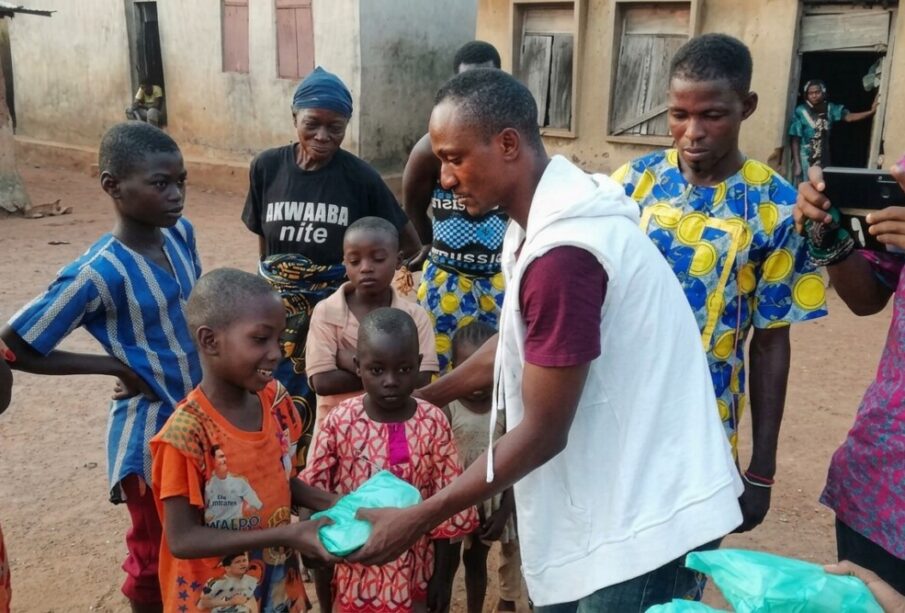

Every year, Sierra Leoneans at home and abroad contribute money, equipment and other resources to support schools, hospitals, charity, orphanages, religious institutions and community development projects.
Sierra Leone received $320.83 million in personal remittances in 2024, according to World Bank World Development Indicators
For many in the diaspora, giving back is a way of maintaining connections with their communities and helping people facing difficult circumstances.
A request may come from an old schoolmate seeking support for classroom construction, a community leader raising money for a water well or a social media campaign collecting donations for children in need.
But good intentions alone cannot guarantee that donated money will reach its intended beneficiaries.
Before contributing, donors need to understand who is collecting the money, how they will spend it and whether the project can deliver what it promises.
1. Check the NGO’s Registration With MoPED
The first step is to establish whether the organisation seeking donations is legitimate.
In Sierra Leone, the Ministry of Planning and Economic Development (MoPED) is responsible for registering and monitoring non-governmental organisations.
Under the country’s National NGO Policy Framework 2023-2028, NGOs must meet requirements concerning their leadership, operations, reporting and registration.
Donors can request an organisation’s registration certificate, official name, physical address and contact information.
The Ministry of Planning and Economic Development (MoPED) now operates an online registration platform that supports NGO registration, renewals and digitally authenticated certificates.
For organisations registered as companies limited by guarantee, donors can also make enquiries through the National Investment Board’s business registration and corporate affairs services.
However, registration alone does not establish that an organisation uses donations responsibly.
It confirms part of its legal standing. Weigh that alongside its activities and financial records.
Small community initiatives may operate informally, without registering as NGOs. In those cases, donors should find out who handles the money and who will supervise the project.
2. Ask for a Clear Budget Before Sending Money
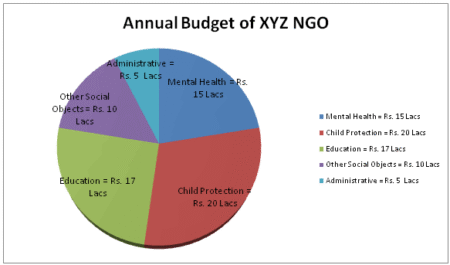
An illustrative annual budget shows how an NGO might divide spending among different activities.
A credible fundraising appeal should explain what the money will accomplish.
For example, a group seeking NLe 50,000 to renovate a primary school should be able to provide an estimated breakdown of expenses.
How much will the group spend on cement, roofing sheets, labour, transportation and other materials?
Donors should also ask whether the amount requested covers the entire project or only one stage.
A school construction project may raise enough money to build classrooms but fail to budget for furniture, toilets or maintenance.
A detailed budget helps donors assess whether the proposed work is realistic and whether the organisers have considered the project’s long-term needs.
For larger contributions, requesting quotations from suppliers or contractors can provide additional assurance.
3. Verify That the Community Actually Needs the Project

A group gathers outdoors in a village. Ask residents which projects they consider priorities before committing funds.
Before supporting a project, donors should establish whether organisers have consulted the intended beneficiaries.
A diaspora association may decide to construct a water well in its home village. However, the community might have a more urgent need for repairs to an existing water system.
Similarly, donating computers to a school may have limited value if the institution lacks reliable electricity, secure storage or teachers trained to use them.
Speaking with school authorities, health workers, local councils, community leaders and intended beneficiaries can help establish whether the project addresses a genuine need.
Where possible, donors should seek information from people who are independent of the fundraising organisers.
Community involvement also makes it more likely that residents will maintain and use completed projects.
4. Examine Previous Projects and Financial Records
An organisation’s previous work can offer useful evidence of its ability to deliver.
Donors should ask for examples of completed projects, expenditure reports and information about the people or communities that benefited.
Photographs can be useful, but they should not be accepted as the only evidence.
A picture of a completed classroom does not necessarily establish who funded it, when it was built or whether it is currently being used.
For substantial donations, requesting receipts, financial statements and independent references can help verify an organisation’s claims.
Sierra Leone’s NGO Policy Framework also requires organisations operating under its provisions to maintain appropriate governance arrangements and meet reporting obligations.
A 2026 compliance exercise illustrates why these checks matter. In July, MoPED revoked the registration of 19 NGOs, citing failures involving operational requirements, reporting and other obligations.
The action demonstrates that registration status can change and should be checked rather than assumed.
5. Be Careful When Sending Money Through Personal Accounts

A person uses a phone and card to make an online payment. Confirm who owns the receiving account before sending a donation. Photo by Mikhail Nilov via Pexels.
Many community fundraisers collect donations through mobile money or bank transfers.
These methods can be convenient, particularly for Sierra Leoneans living overseas.
However, donors should confirm who owns the receiving account and whether it is officially connected to the project.
For established organisations, payments into an account bearing the organisation’s name generally provide clearer financial records than transfers into an individual’s personal account.
For smaller community initiatives without organisational accounts, donors can request written acknowledgement of payments and identify at least two people responsible for overseeing expenditure.
Where practical, contributions can also be paid directly to verified suppliers for agreed goods and services.
Donors should keep transaction confirmations, receipts and correspondence.
They should never disclose banking passwords, mobile money PINs or one-time passwords to fundraising organisers.
6. Watch for Warning Signs
Not every unsuccessful project involves dishonesty. Some fail because of poor planning, rising costs or unexpected difficulties.
Nevertheless, certain practices should prompt closer examination.
These include organisers refusing to explain how funds will be spent, providing inconsistent financial information, making unverifiable claims about previous achievements or demanding immediate payment without reasonable justification.
Donors should also be cautious when photographs of vulnerable children, patients or disaster victims are used to create emotional pressure without clear information about the proposed assistance.
The dignity and privacy of beneficiaries matter.
An organisation should be able to explain its work without exposing vulnerable people to unnecessary publicity.
7. Agree How Progress Will Be Reported

A team reviews paperwork together. Agree with organisers on who will report progress and when updates are due.
Before making a significant contribution, donors should agree with project organisers on how progress will be monitored.
For a classroom project, this could involve updates when materials are purchased, construction begins and the building is completed.
For a medical assistance programme, it might involve appropriately anonymised expenditure records and confirmation that the intended services were delivered.
Donors should establish who will prepare the reports and how often updates will be provided.
A written agreement is particularly useful when several people contribute towards one project.
It can identify the project’s objectives, approved budget, responsible individuals and procedures for handling any unused funds.
If a project cannot proceed, donors should know whether contributions will be returned or redirected with their consent.
8. Think About What Happens After the Donation
A successful project should continue providing benefits after the initial excitement has passed.
A newly constructed water well will eventually require maintenance. A school building needs furniture, teachers and repairs. A health facility may need trained personnel, electricity and a continuing supply of medical equipment.
Donors should therefore ask who will manage the project after completion and how future expenses will be covered.
Supporting maintenance, training and local management can sometimes produce more lasting benefits than financing a new structure.
For Sierra Leoneans abroad, this may mean working closely with community representatives who can provide regular updates and help resolve problems.
What If You Suspect Donations Have Been Misused?
If donors discover discrepancies, they should first preserve financial records, payment confirmations, correspondence and any relevant project documents.
They can request an explanation from the organisation’s leadership or governing board.
Where the evidence suggests fraud, they may consider reporting the matter to the police or an appropriate regulatory authority.
Suspected corruption involving public officials or public resources can be reported to Sierra Leone’s Anti-Corruption Commission through its official reporting channels.
Donors should avoid publicly accusing individuals of wrongdoing without sufficient evidence.
Giving Back With Greater Confidence
Charitable giving has helped communities across Sierra Leone meet important needs, from education and healthcare to water supply and emergency assistance.
For Sierra Leoneans in the diaspora, supporting a project at home can also strengthen relationships with the communities where they grew up.
But responsible giving requires more than responding to an emotional appeal.
Checking registration, reviewing budgets, consulting beneficiaries and requesting financial reports can help donors make better decisions.
These steps do not guarantee that every project will succeed. They can, however, reduce avoidable risks and encourage greater accountability.
The most meaningful contribution is one that addresses a genuine need, respects the people it is intended to help and leaves a lasting benefit after the money has been spent.






-
How to Give Back Well: Checking a Charity or Community Project Before You Donate
Every year, Sierra Leoneans at home and abroad contribute money, equipment and ... -
-
-