In the 21st century, business success requires good corporate governance, moving beyond mere profit. For corporate leaders in Sierra Leone, governance is the difference between saying what you’re going to do, and implementing policies for sustainable growth.
While Sierra Leone ranks 23rd in Africa (53.0 on the Mo Ibrahim Index of African Governance), a critical challenge persists. In 2019, only 5% of registered companies filed annual returns, an alarming statistic rooted in inadequate governance that exposes businesses to legal risk. The core problem is not the lack of legal frameworks, but the consistent and effective implementation of these principles.
Few individuals grasp this dynamic as profoundly as Aminata Kamara, the Founder of Amikam Consulting and a distinguished expert in corporate governance and organizational development. With over 18 years of leadership experience in crisis management, stakeholder engagement, and organizational reform, Kamara offers a unique and invaluable perspective. For her, governance is more than mere adherence to rules; it embodies a company’s core values and culture. Her work empowers leaders and institutions to meticulously align their structures, policies, and human capital with national and international benchmarks, ensuring integrity drives performance at every organizational tier.
As Sierra Leone’s private sector continues its evolution, Kamara stands as a pivotal voice, advocating for the establishment of superior systems, the cultivation of stronger leadership, and a fundamental shift in mindset that inextricably links accountability with progress.
This conversation with Vickie Remoe delves into Kamara’s insights on the current state of corporate governance in the country, the complexities of organizational development, and the undeniable necessity for ethical leadership.

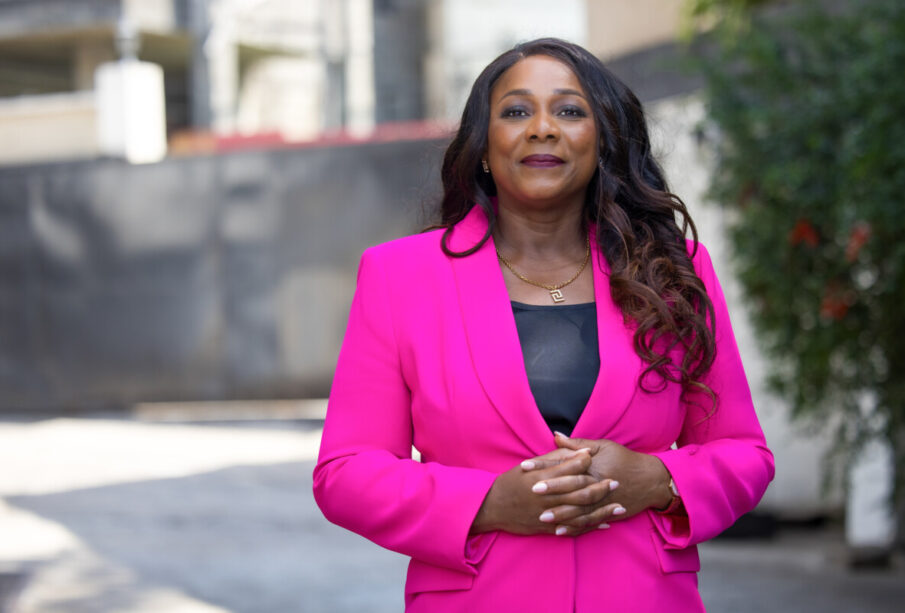
Aminata Kamara, CEO of Amikam Consulting
Vickie Remoe: How has the role of corporate governance evolved in recent years, particularly with the increasing focus on ESG (Environmental, Social, and Governance) factors?
Aminata Kamara: Corporate governance in Sierra Leone has come a long way. Today, many international companies are holding themselves to the same high standards they follow in their home countries.
For instance, when I worked with Sierra Rutile during the Illuka years, the company operated under its own international standards but was primarily guided by the stringent mining regulations of Australia. They didn’t see themselves as just a Sierra Leonean operation, they viewed compliance through the lens of their parent country’s governance framework. That kind of accountability naturally raised the bar for the sector as a whole.
Because of this, and the growing influence of global best practices, I believe corporate governance in Sierra Leone has significantly improved and, in some areas, even aligns with international standards.
That said, our biggest challenge is not in creating laws, it is in implementing them. Sierra Leone actually has one of the most progressive legal frameworks in the region, often developed with the support from institutions like the World Bank. However, we sometimes adopt these sophisticated policies faster than our systems can effectively enforce them.
Still, the foundation is there. What is left is the discipline and commitment to make those frameworks work for us.
Remoe: In your experience, what are the key differences in corporate governance practices between multinational corporations and local businesses, especially in emerging markets like Sierra Leone?
Aminata Kamara: The key difference is mindset. No disrespect to local companies, but there’s still limited understanding of how things operate globally and little willingness to tap into that wider world. There’s this prevailing culture of, “we have always done it this way, and it works.”
When Nigerian banks entered the Sierra Leonean market, they disrupted the status quo. Many gave them flack for it, but I actually saw it as a positive shift. Even when I worked in the banking sector, I was an advocate for anything that challenged local banks to evolve. The Nigerian banks came in, shook things up, and forced the market to think differently.
Unfortunately, complacency remains a real concern. Not in a malicious way, but there’s a lack of urgency to review or improve policies. For example, employee welfare policies should be reviewed every three to five years. That’s the legal requirement. Yet, some organizations don’t do it because they are comfortable. The thinking is, “We are making money, customers are coming in, and if staff leave, we will just replace them.”
But that mindset is short-sighted. It undermines long-term growth and weakens both employee retention and organizational impact. When I reviewed one company’s staff handbook recently, I realised it still references outdated provisions even though Sierra Leone’s Employment Act of 2023 has completely changed the labour landscape.
By contrast, multinational corporations tend to enter the market with structured policies and global standards. This often creates tension because local staff struggle to adjust, but the learning curve is necessary. I tell my teams; embrace policy. Policies aren’t restrictions, they are guidelines. They protect you, define accountability, and help organizations operate with integrity.
Remoe: How do you see the intersection of corporate governance and talent management, and what strategies can organizations employ to cultivate ethical leadership from within?
Aminata Kamara: In my experience, both in Sierra Leone and the UK, the success of any organization always begins with leadership. Strong leadership sets the tone for integrity, discipline, and accountability. When values are embodied at the top, they naturally trickle down through every level of organization.
Corporate governance, at its core, starts with example. It’s led from the top and sustained through consistency. I often tell leaders; “where people feel respected, they feel safe and where they feel safe, they thrive.” Respect is the foundation of every effective workplace.
Developing talent, therefore, goes beyond training and performance reviews. It’s about empathy, kindness, and adherence to rules and laws. Some companies hesitate to train their staff out of fear that they will leave. But withholding development is the worst decision a business can make. When you build capable people, you strengthen your own organization, even if they eventually move on.
I always advise leaders, “Don’t mold people to your liking, mold them so their skills are transferable.” That’s real talent management, when you equip people to excel anywhere. Unfortunately in Sierra Leone, this mindset is still rare. Many small and medium-sized businesses rely heavily on one trusted employee, overloading them with responsibilities while neglecting the rest. When that person leaves, or worse dies, the entire system collapses.
True talent management means spreading responsibility and investing in everyone. It’s about developing a well-rounded team that can sustain the organization beyond any one individual. Otherwise, you are building on shaky ground.
Remoe: What role does effective communication play in high-level stakeholder engagement and crisis management within a corporate governance framework?
Aminata Kamara: For any company operating in Sierra Leone, effective corporate communication is non-negotiable. You need someone, whether internal or external, who can take a step back and view the organization from outside. Often, when you’re managing day-to-day operations, it’s hard to see the bigger picture. That’s why having a dedicated communications professional or consultancy is so valuable: they provide the panoramic view you simply can’t have from within.
This external or specialist perspective becomes vital during moments of crisis. Many companies try to manage everything internally, but without that objective lens, they risk missing key optics and stakeholder perceptions. Even for industries like mining, where crises aren’t an everyday occurrence, it’s wise to retain communications support. That partner can monitor issues, manage community relations, and highlight the positive stories that often go untold. Larger organizations should make this a standard practice.
Your community relations team, public relations or corporate communications department, and corporate governance unit should work hand-in-hand to ensure that both internal and external narratives are aligned. Consistent, transparent communication not only protects your reputation but strengthens trust among employees, communities, and stakeholders.
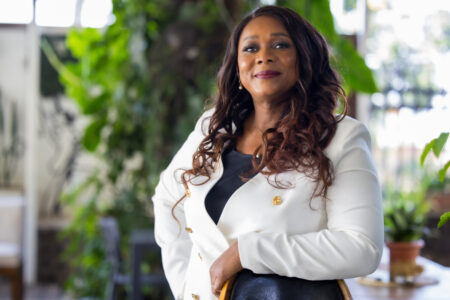
Aminata Kamara, CEO of Amikam Consulting
Remoe: How can companies effectively overhaul existing company culture or design new structures from the ground up to align with best practices in corporate governance?
Aminata Kamara: If you’re overhauling your company structure or systems, the best place to start is with your people policy. You can’t expect employees to do the right thing if the organization itself doesn’t set the right example from the beginning. So start with the Employment Act, then develop a clear, practical staff handbook, it doesn’t have to be fancy but it must exist. That document becomes the guide for how people work within your organization.
Next, depending on your sector, you need to establish a sector- specific staff handbook that incorporates all relevant laws and regulations. This should include your internal policies, health and safety procedures, and other regulatory frameworks guiding your operations. For instance, in the mining sector, a robust health and safety policy is non-negotiable. Your agreements with the government should also align with your internal policies to ensure consistency and compliance across all levels.
Then comes corporate governance, an essential framework that fosters responsible growth. Governance gives room for learning and correction, but your sectoral policies must be sound and ready before operations begin. In mining, for example, you must complete your Environment, Impact, Social and Health Assessment (EISHA), obtain a mining license from the National Minerals Agency (NMA), and sign your Community Agreement with host communities before you start operations. These are not optional, they are prerequisites for a license to operate, regardless of your company’s size.
Finally, ensure that taxes and regulatory obligations are fully met or ensure commitment within a year of commencement. Every agreement you sign with the government should be treated as your corporate bible, a document that feeds directly into your governance framework. This alignment ensures accountability, compliance, and trust between your company, the government, and impacted communities.
Remoe: What emerging trends or innovations do you anticipate will significantly impact corporate governance in the next five to ten years?
Aminata Kamara: One of the biggest gaps in Sierra Leone today is the lack of seriousness around corporate governance at the national level. I truly wish the government treated it with the same weight and consistency as countries like the UK. Over there, no one needs to remind you how to behave because laws work and accountability is built into the system. Regulators don’t interfere unnecessarily, but when audits reveal misconduct, there are clear consequences. Either fines, sanctions, or imprisonment depending on the severity.
In Sierra Leone, however, enforcement often feels inconsistent. And that’s unfortunate because corporate governance isn’t just about compliance, it’s nation building. When good governance is practiced across institutions, it fosters integrity, strengthens investor confidence, and contributes directly to economic growth.
I’ve observed this contrast in the way different companies operate. For instance, Chinese companies often work on clear transactional terms. They know what they want, pay for it, and expect delivery without unnecessary side dealings. On the other hand, some western companies, despite understanding the rules, sometimes attempt to bend them through informal backdoor practices when processes don’t go their way. Ironically, those actions end up enriching corrupt systems rather than strengthening the business environment.
My wish is simple: that Sierra Leone’s government consistently upholds and enforces the policies and regulations already in place. Because when governance works, trust grows. And when trust grows, businesses thrive and so does the country.
Remoe: How can corporate governance contribute to national development, particularly in emerging economies?
Aminata Kamara: Corporate governance is the head of a body, without it, the body is lifeless. It drives direction, balance, and accountability. As a nation, we need to recognise that whether it is the highest office or the most junior department, effective governance begins with adherence to policies
I have always been a rules-oriented person, and I can say confidently that structure and discipline have shaped both my career and my character. Governance doesn’t have to be complicated, it’s really about clarity and consistency. You set out what you intend to do, outline how you plan to do it, follow through, and ensure that everyone is accountable along the chain.
When leadership at every level, from the top to the middle to the base, commits to following the same set of principles, that’s when institutions become truly effective. As it relates to national development, emerging economies’ strong institutions are resilient to shocks, respond to citizens’ needs, deliver better services and create the enabling environment for the businesses to thrive.
Remoe: Are you optimistic about the future outlook of corporate governance in Sierra Leone? If so, why?
Aminata Kamara: Progress may be gradual, but I’ve seen meaningful change, especially in the mining sector. Today, many mining companies are making a genuine effort to meet international standards and that truly excites me.
Just recently, I had lunch with the country head of a mining company in its development stage. The Chinese executive of the company told me, “I want to follow the laws of Sierra Leone. I want policies and someone who can guide me.” He wasn’t talking about shortcuts or favours, he was focused on compliance and doing things the right way. That, to me, signals a new era of responsible business practice in the country.
At the Chinese Chamber of Commerce’s recent inauguration of a new president, every speaker, from the Vice President of Sierra Leone to the Chinese Ambassador to Sierra Leone, reaffirmed the same message: follow national laws, build local capacity, and empower Sierra Leoneans. Hearing that gave me hope.
There’s also companies in the sector that have implemented stronger employee welfare systems. They are introducing succession planning so that local employees can take on leadership roles. This is a powerful example of sustainable development.
So yes, I am excited for Sierra Leoneans, for the young people who are eager to work and build careers, and for the companies that are finally starting to test local talent. My own wish is for the government to take that same stance to ensure that wherever a Sierra Leonean is capable, they are given the opportunity to lead, to contribute, and to grow within their own country.
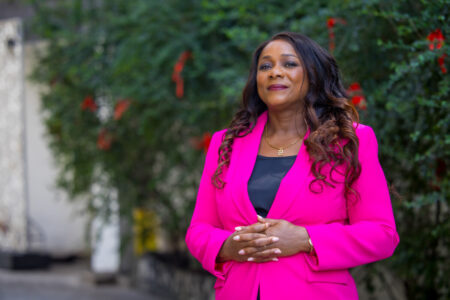
Aminata Kamara, CEO of Amikam Consulting
About Aminata Kamara, CEO, Amikam Consulting
Aminata Kamara is the visionary Founder and CEO of Amikam Consulting, a corporate governance, people and policy advisory firm. With over 18 years of executive-level C-suite experience in corporate governance, organizational development, and strategic human resources in the UK and Sierra Leone, Ms. Kamara is a trusted expert on aligning corporate structures and policies with national and international benchmarks.
Her executive tenure includes over a decade in Sierra Leone’s mining industry, where she served in key roles such as Vice President for Corporate Affairs at Marampa Mines Limited (MML), Corporate Affairs and Government Relations and Director of Human Resources and Corporate Affairs at Sierra Rutile Limited. In these positions, she was instrumental in managing corporate governance, regulatory compliance, and leading critical crisis and stakeholder management strategies, and leading people — often bridging complex divides between expatriate and local staff.
Through Amikam Consulting, Ms. Kamara applies her expertise to build internal capacity, design foundational processes, and drive the localization of talent. She is a strong advocate for developing Sierra Leonean professionals, focusing on the transfer of knowledge and establishing robust operational policies.
Beyond her consultancy, Ms. Kamara is an active leader in the business community, currently serving as:
- Board Chair of Bloom Bank Africa Sierra Leone (BBASL).
- Board Member of the Sierra Leone Employers Federation (SLEF).
She holds a Master of Arts Degree in Human Resources Management and Employment Studies from North London University and is a highly credentialed professional: a Fellow of the Chartered Institute of Personnel and Development (FCIPD) and a Fellow of the Institute of Leadership (FIL). She is also a Co-Founder and Board Member of the AA Kamara Foundation, dedicated to supporting women and girls’ empowerment through education and entrepreneurship.





-
Beyond Compliance: Aminata Kamara’s Insights on Corporate Governance in Mining and Banking in Sierra Leone
In the 21st century, business success requires good corporate governance, moving beyond ... -
-
-