Juba Barracks to be Relocated to Masiaka
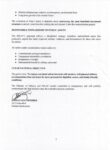
Sierra Leone’s Ministry of Defence and the Republic of Sierra Leone Armed Forces (RSLAF) have, on Monday, 23, 2026, confirmed that they have secured land in Masiaka for the construction of a modern military accommodation complex, as they plan to relocate the Juba Barracks in central Freetown.
Hassan Sei Coomber, the Air Commodore, Chief of Air Staff and Defence Spokesperson of RSLAF, has confirmed that the Defence Council has approved the sale of Juba Military Barracks “to raise funds to support military infrastructure development.”
-
- Image: RSLAF and Ministry of Defence Press Release
-
- Image: RSLAF and Ministry of Defence Press Release
In a press release issued by the Office of the Defence Spokesman, the proposed Masiaka military barracks will house modernised military complexes.
“So for the Juba Barracks which we will trade off, we have bought more lands than what we even need for now for us to be able to move people,” he stated.
“The Armed Forces confirms that it has already secured land in Masiaka for the development of a modern military accommodation complex designed to replace outdated inner-city barracks,” he continued.
Why the Transition
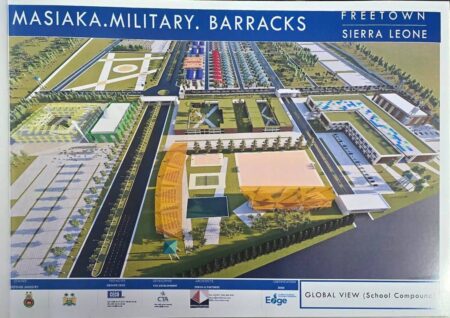
Image: A 3D image of the proposed Masiaka Military Barracks
According to the Ministry, only about 30% of military personnel in Sierra Leone are currently accommodated in official barracks, with the majority residing in temporary, substandard, or civilian housing.
“If we trade off Juba, Murray Town has space where high rising buildings can be erected. You know these days you just need a piece of land where a modern and high rising building can be constructed,” Coomber said.
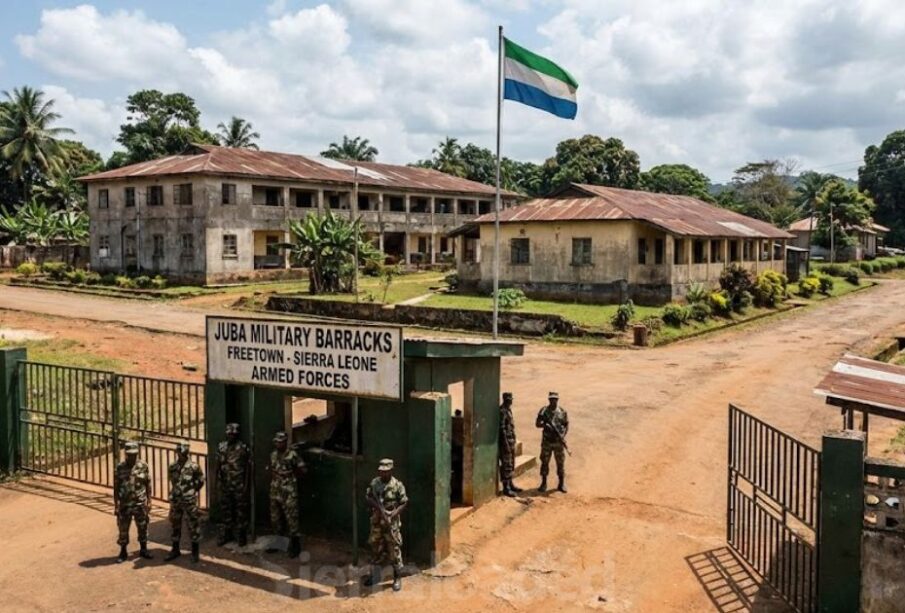
Juba Barracks was originally constructed during the British colonial era, most likely in the late 19th or early 20th century, when Sierra Leone was under British rule.
It is one of the military infrastructures established to house units of the Royal West African Frontier Force (RWAFF), which was created in 1900 to serve British colonial interests in West Africa.
Idara Bangura, Chief of Defence Staff, says Juba Barracks comprises about 20 ageing buildings that no longer meet modern military housing standards.
“Urban growth has since placed it in a congested central zone that limits expansion, reduces operational suitability, and constrains long-term planning,” he said.
Financing and Construction
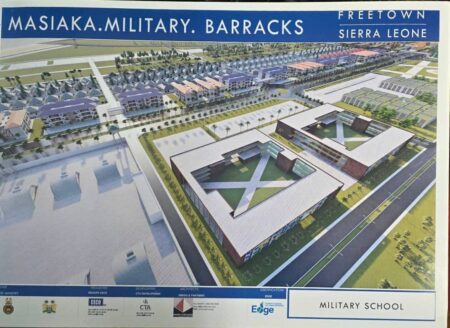
Image: A 3D image of a military school for the proposed Masiaka Military Barracks
The Ministry of Defence and RSLAF are evaluating several options for the future of Juba Barracks, including a potential sale, lease arrangements, public-private partnerships, or partial redevelopment.
Coomber said no final decision has been made. “No final decision has yet been taken on which option will be selected, as each is undergoing detailed legal, financial, and strategic analysis,” he said.
Ministry of Defence told the media that all options remain subject to constitutional and legal compliance, transparent stakeholder consultation, independent oversight, and demonstrable benefits to military personnel.
A Planned Modern Replacement
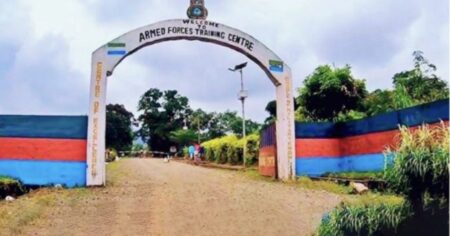
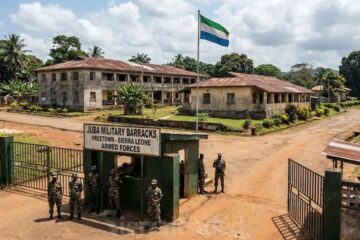
Image: Entrance of Juba Barracks in Freetown
The new Masiaka military complex is expected to provide larger purpose-built housing for troops and their families, expanded training and support facilities, and modern infrastructure suited to a contemporary professional force.
The ministry described the move as part of its renewed efforts to transform the RSLAF and provide modernised housing facilities for its army.
“The goal is clear: to replace out-dated urban barracks with modern, well-planned military accommodation that can house far more personnel in dignified, secure, and family-friendly conditions,” the statement said.
Both the RSLAF and the Ministry of Defence said a public announcement will be made once the evaluation process regarding Juba Barracks is concluded.






-
Juba Barracks to be Relocated to Masiaka
Sierra Leone’s Ministry of Defence and the Republic of Sierra Leone Armed ... -
-
-